
Bedroom Limewash Ideas: How to Choose the Perfect Colour
Discover inspiring bedroom limewash ideas, calming colour choices and practical tips for creating a natural, elegant and relaxing interior.
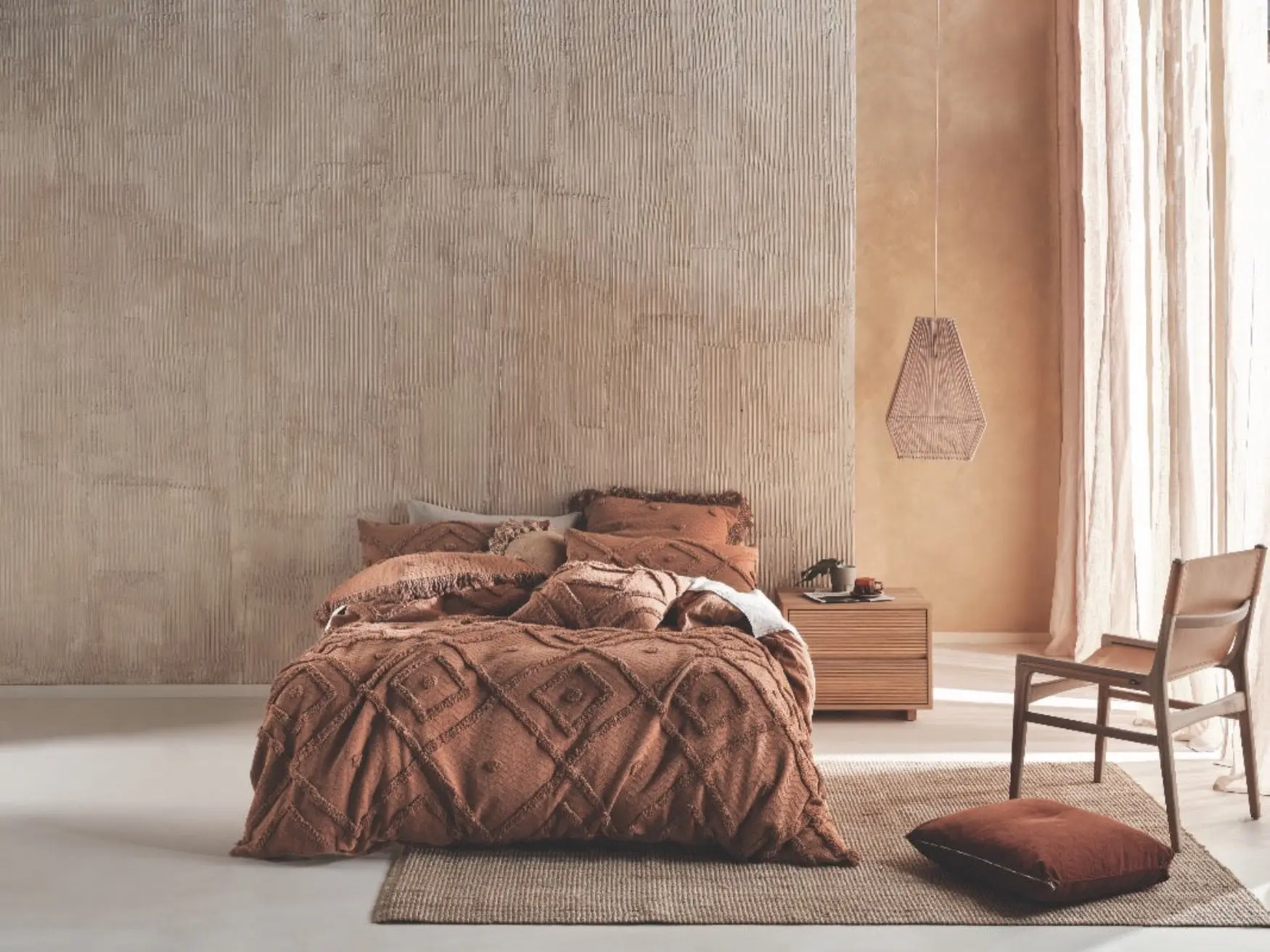
The bedroom is the most personal room in the home, a space designed for rest, comfort and a sense of calm. Using limewash in the bedroom can transform a simple wall into a softly textured surface with natural depth, tonal variation and movement.
Unlike conventional flat paint, limewash interacts with both daylight and artificial light. Its subtle shadows and characteristic cloud effect create a velvety, lived-in finish that feels refined without looking overly polished. This makes it especially suitable for minimal, Mediterranean, rustic, wabi-sabi, and contemporary bedroom interiors.
More than a decorative trend, limewash brings the quiet beauty of natural materials into the room. Its visual softness helps create a relaxing backdrop, while its mineral texture adds character without requiring excessive decoration.
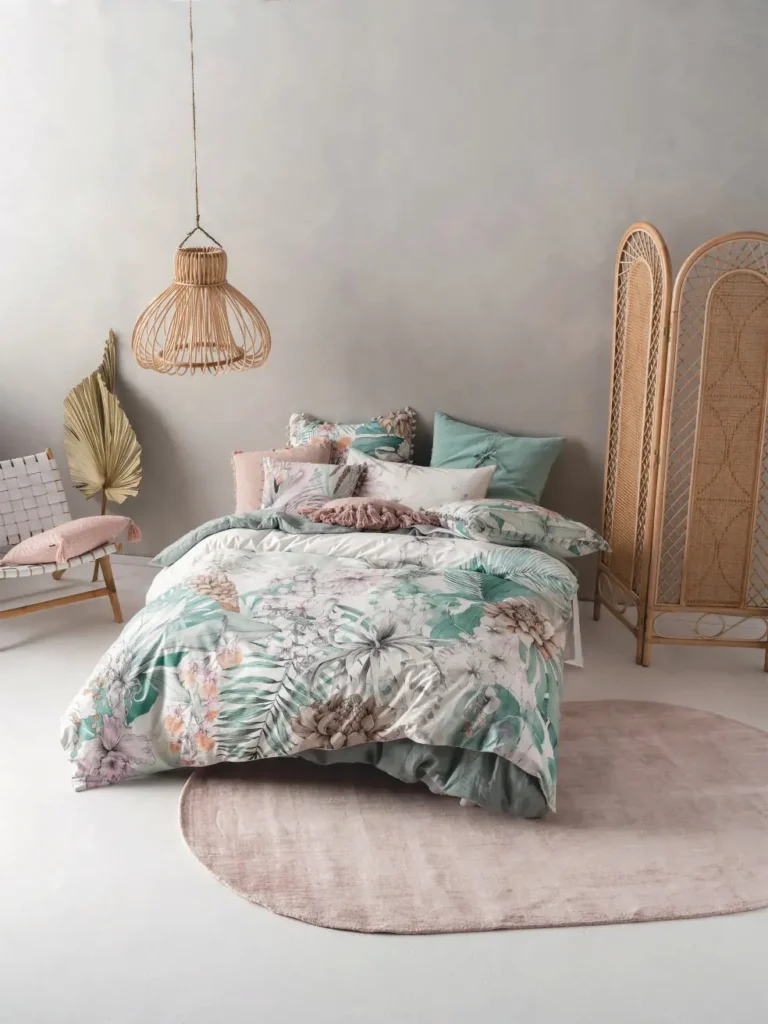
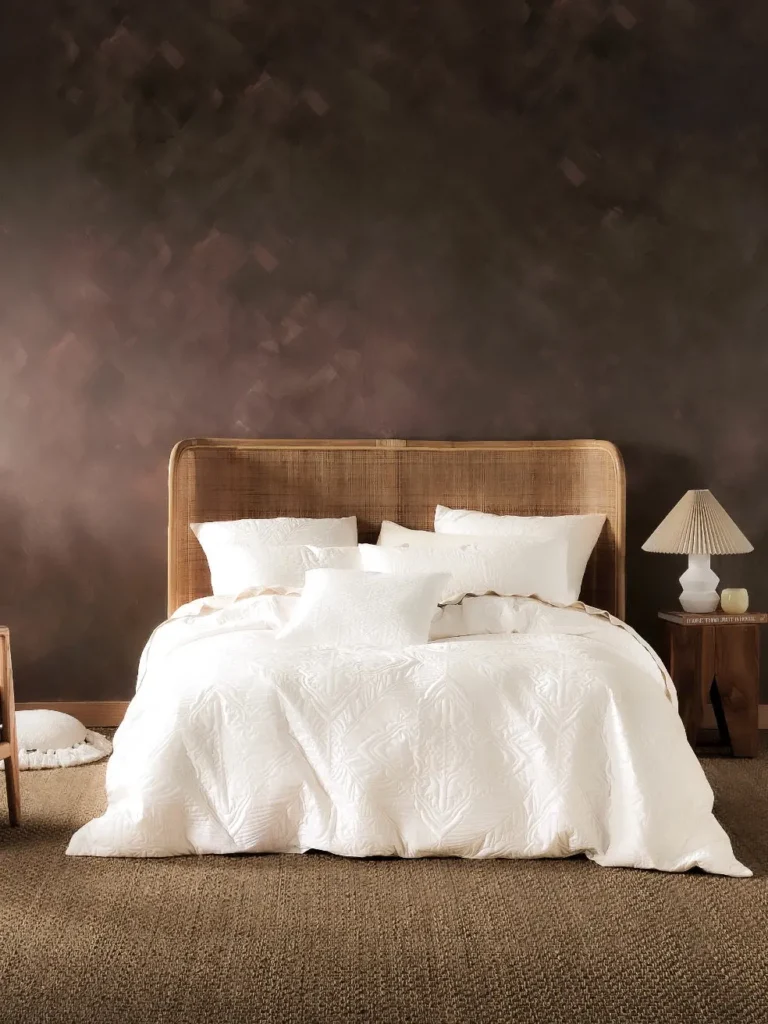
Bauwerk Limewash is a natural, mineral-based wall paint suitable for most interior surfaces. Its breathable composition allows moisture to move through the wall rather than becoming trapped beneath an impermeable layer.
Bauwerk Limewash paints contain no VOCs or solvents, making them particularly well suited to bedrooms and other rooms where we spend long periods of time. Their soft matte surface produces no harsh glare, while the natural variations in colour create a more restful visual environment.
Limewash can also make a pared-back bedroom feel warm and complete. Even when the furniture and accessories are minimal, the wall itself introduces depth, movement and an organic sense of luxury.
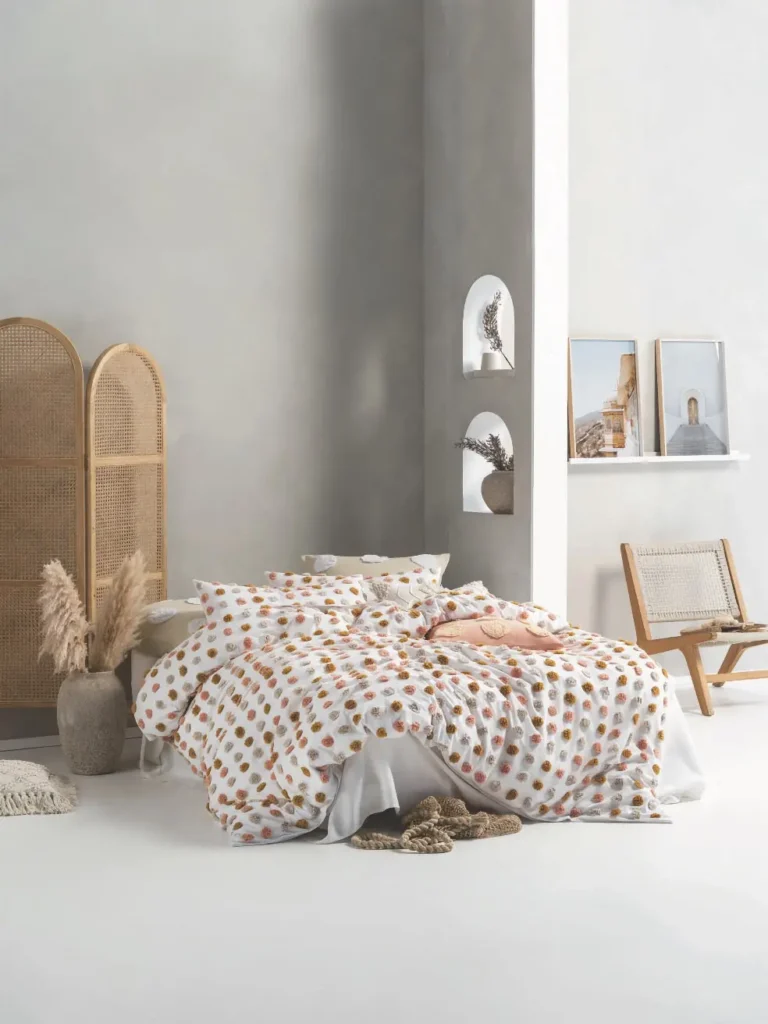
Warm neutrals remain one of the most timeless choices for a limewash bedroom. Soft whites, sand, oatmeal, beige, greige and muted stone shades create a calm backdrop that works beautifully with timber, linen, woven fibres and natural stone.
A warm greige such as Mykonos is particularly effective in bright bedrooms, as its appearance changes subtly throughout the day. Off-white and creamy limewash shades are excellent for smaller rooms because they preserve a sense of light while avoiding the cold or clinical effect of a brilliant white.
Explore the complete Bauwerk Limewash colour collection to compare neutral and earthy shades for your space.
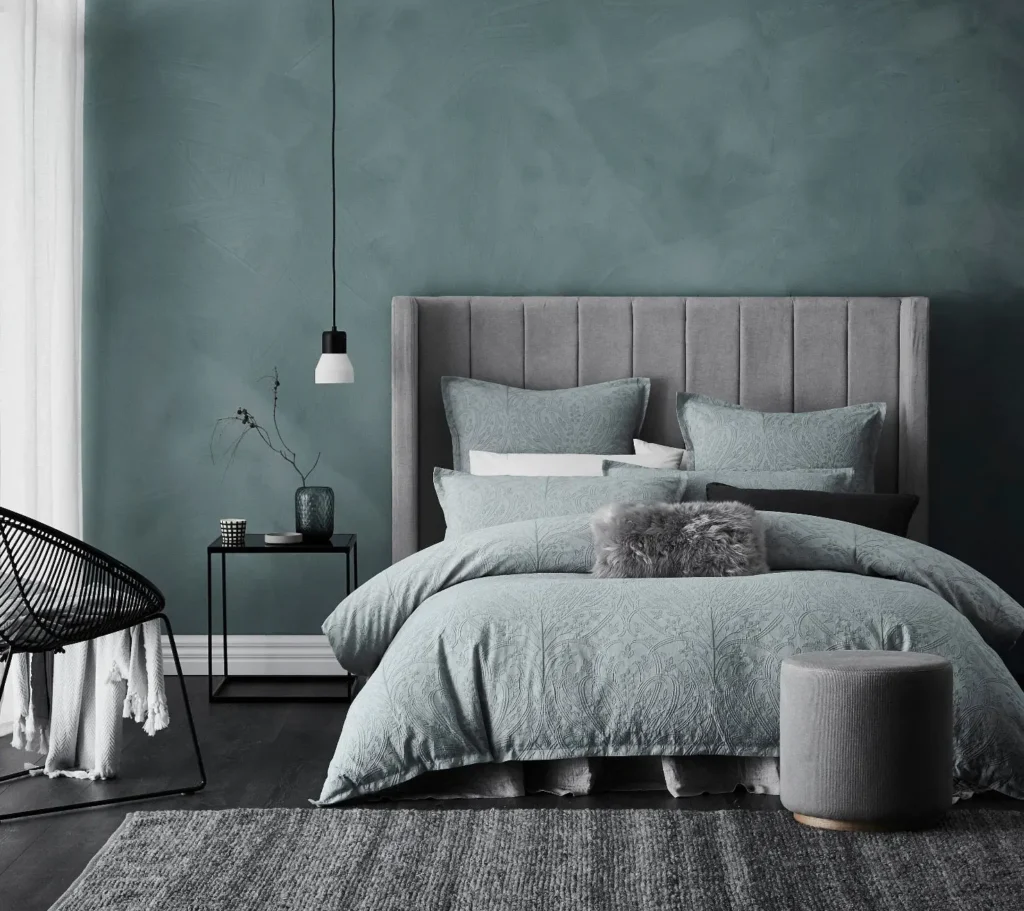
Sage, eucalyptus and muted grey-green tones are natural choices for a restful bedroom. They introduce colour in a subtle way and pair beautifully with oak, walnut, linen bedding, ceramics and warm lighting.
In a south-facing bedroom with abundant daylight, a deeper earthy green can feel rich and enveloping. In a darker or north-facing room, a paler grey-green will help preserve a light and tranquil atmosphere.
Because limewash reflects light differently throughout the day, green shades can appear warmer, greyer or more mineral depending on their surroundings. Testing the colour directly on the bedroom wall is therefore essential.
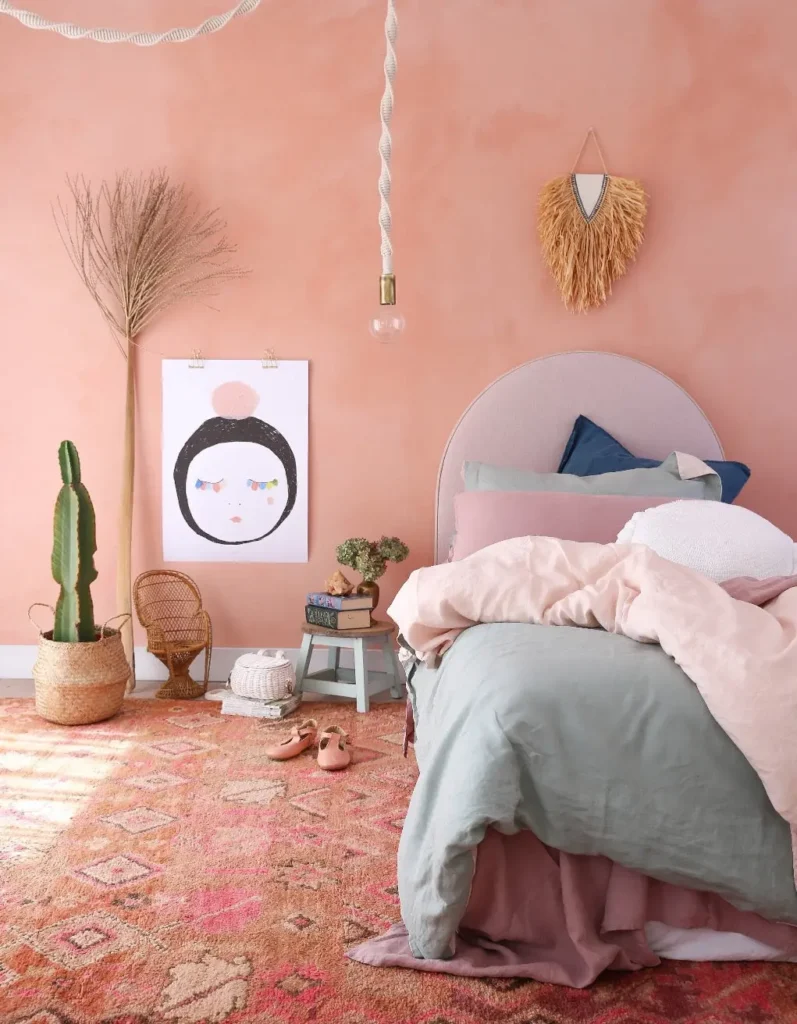
Dusty pink, soft clay, muted terracotta and blush-beige shades bring warmth to a bedroom without making it feel overly romantic. These colours work especially well with warm whites, natural timber, burgundy accents and dark metal details.
For a restrained approach, apply the colour only to the wall behind the bed. The textured limewash finish will create a natural focal point and may remove the need for wallpaper, decorative panelling or an oversized headboard.
A limewash feature wall is a simple way to introduce texture and colour without changing every surface. The wall behind the bed is usually the most effective choice, as it naturally anchors the room and frames the sleeping area.
Applying limewash to all four walls produces a more immersive and atmospheric result. Pale mineral colours can make the space feel soft and cocooning, while deeper shades create a dramatic, intimate bedroom. When choosing a darker colour, consider the room’s size, natural light and evening lighting before making a final decision.
The ceiling can remain in a warm white or a lighter version of the wall colour to create a softer transition and maintain a feeling of height.
Limewash colours are strongly influenced by natural light, the orientation of the room and the surface beneath the paint. A shade viewed on a screen or colour card may look noticeably different once applied to the wall.
Apply a generous sample and observe it in morning light, late-afternoon light and under your bedroom lamps. Place it near the floor, the bed linen and any timber finishes so you can see how the entire palette works together.
Correct wall preparation is equally important. Previously painted walls and plasterboard will usually require a compatible mineral primer to create an even, absorbent base. Read the complete guide on how to apply limewash paint to interior walls and explore the recommended tools and supplies.