Why Commercial Interiors Love Limewash Walls
Limewash gives boutique hotels and commercial interiors natural texture, tonal depth and an authentic finish that strengthens the identity and atmosphere of the space.
In contemporary hospitality and commercial design, interiors are more than decoration. They form part of the guest experience and often determine whether a hotel, restaurant or retail space feels memorable. Limewash offers a distinctive combination of natural texture, tonal depth and timeless character, making it an increasingly appealing choice for limewash commercial interiors and carefully designed boutique hotel interiors.
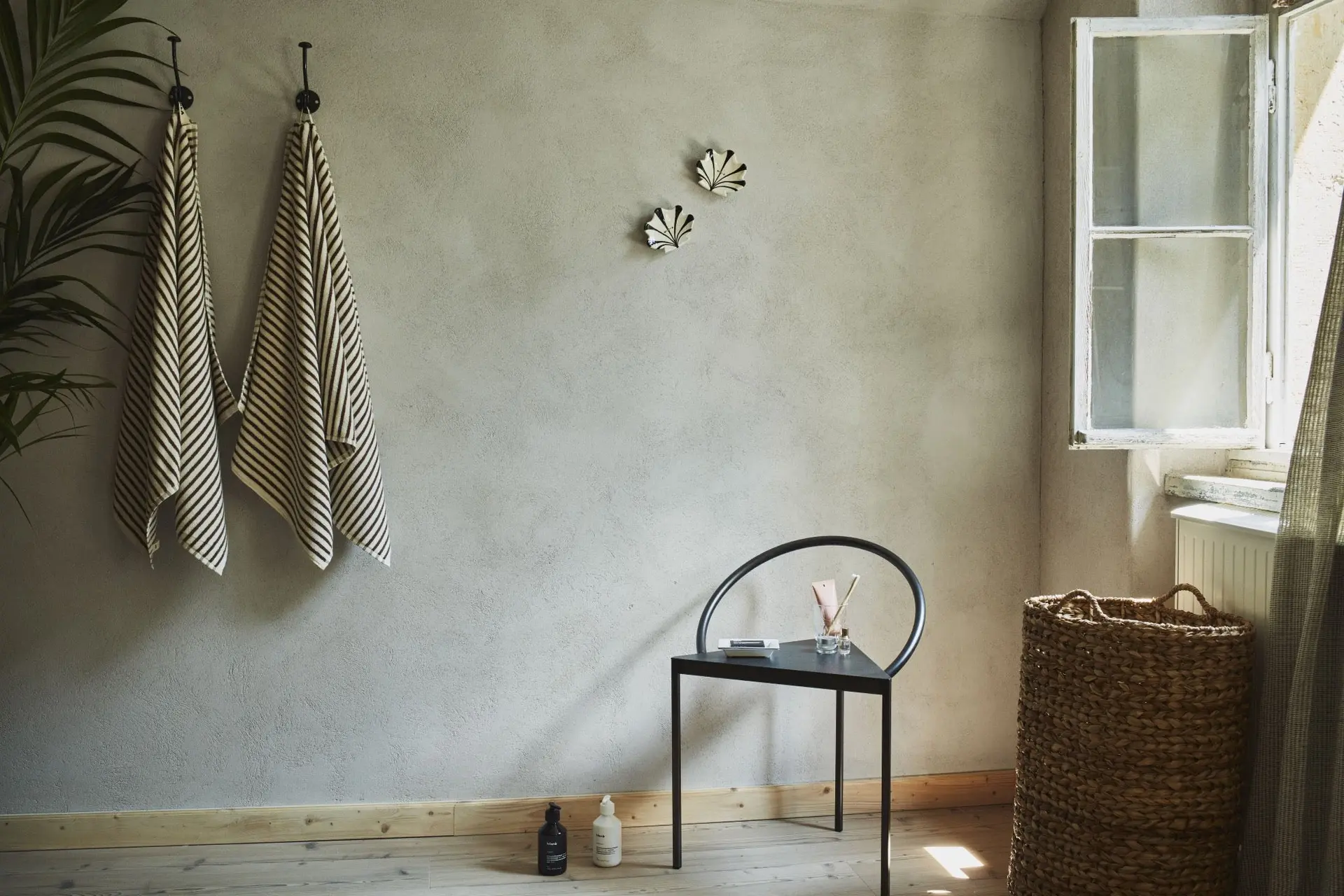
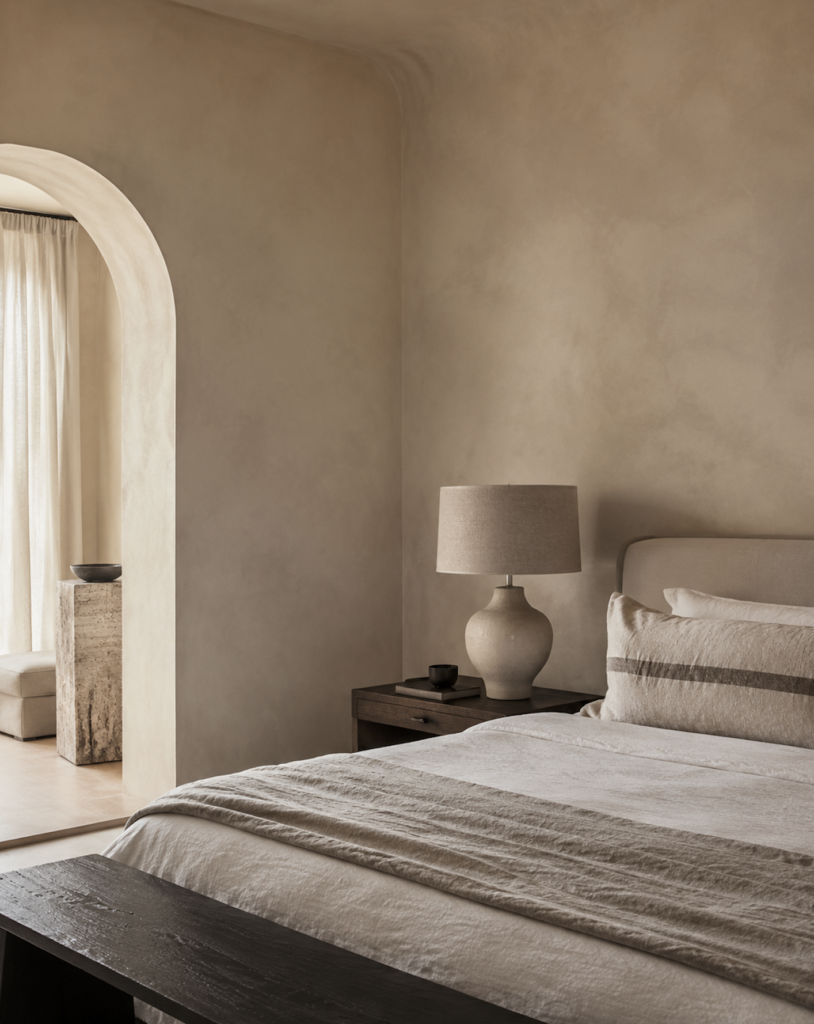
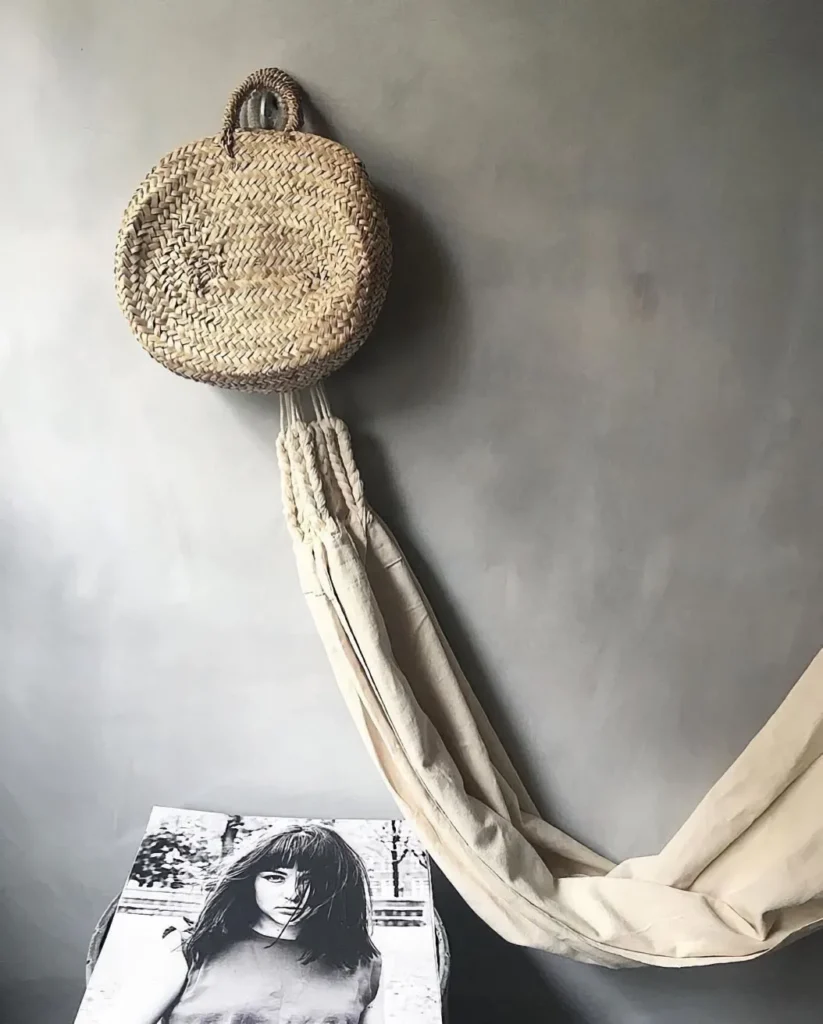
Unlike a conventional flat paint finish, limewash interacts with light. Gentle tonal variation and visible movement from the brush create walls that shift subtly throughout the day. Depending on the chosen colour, substrate and application technique, the result can feel calm and minimal, warm and Mediterranean, or deep and atmospheric.
In contemporary hospitality and commercial design, interiors are more than decoration. They form part of the guest experience and often determine whether a hotel, restaurant or retail space feels memorable. Limewash offers a distinctive combination of natural texture, tonal depth and timeless character, making it an increasingly appealing choice for limewash commercial interiors and carefully designed boutique hotel interiors.
Unlike a conventional flat paint finish, limewash interacts with light. Gentle tonal variation and visible movement from the brush create walls that shift subtly throughout the day. Depending on the chosen colour, substrate and application technique, the result can feel calm and minimal, warm and Mediterranean, or deep and atmospheric.
Limewash brings interest to even the simplest architecture. Its layered surface adds depth without requiring bold patterns, wallpaper or numerous decorative elements. This makes it particularly suitable for minimal, Mediterranean, Wabi-Sabi, rustic and contemporary interiors.
Within a boutique hotel, limewash can be used in guest rooms, corridors, reception areas, lounges and restaurants. Different strengths or related colours from the same family can establish a coherent visual language while giving each area its own mood. Pale colours help maximise light, while deeper limewash shades create a more intimate, cocooning atmosphere.
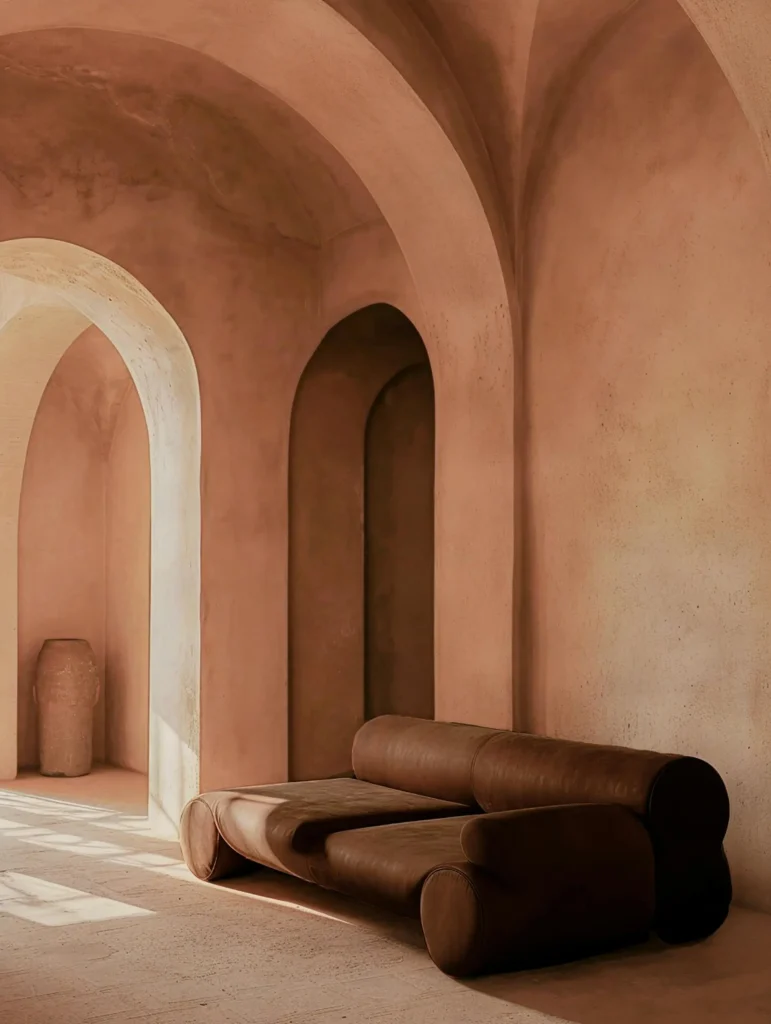

One of limewash’s greatest strengths in hotel design is its ability to support a palette inspired by the surrounding landscape and local architecture. An island retreat might use broken whites, sand, clay, weathered blue and Mediterranean green. An urban property may favour warm grey-beige, mineral grey, smoky brown or deeper, more theatrical colours.
Earthy shades pair naturally with stone, timber, linen, ceramics and metal. Limewash can therefore act as a visual link between several materials, bringing the whole interior together without making it appear overly coordinated.
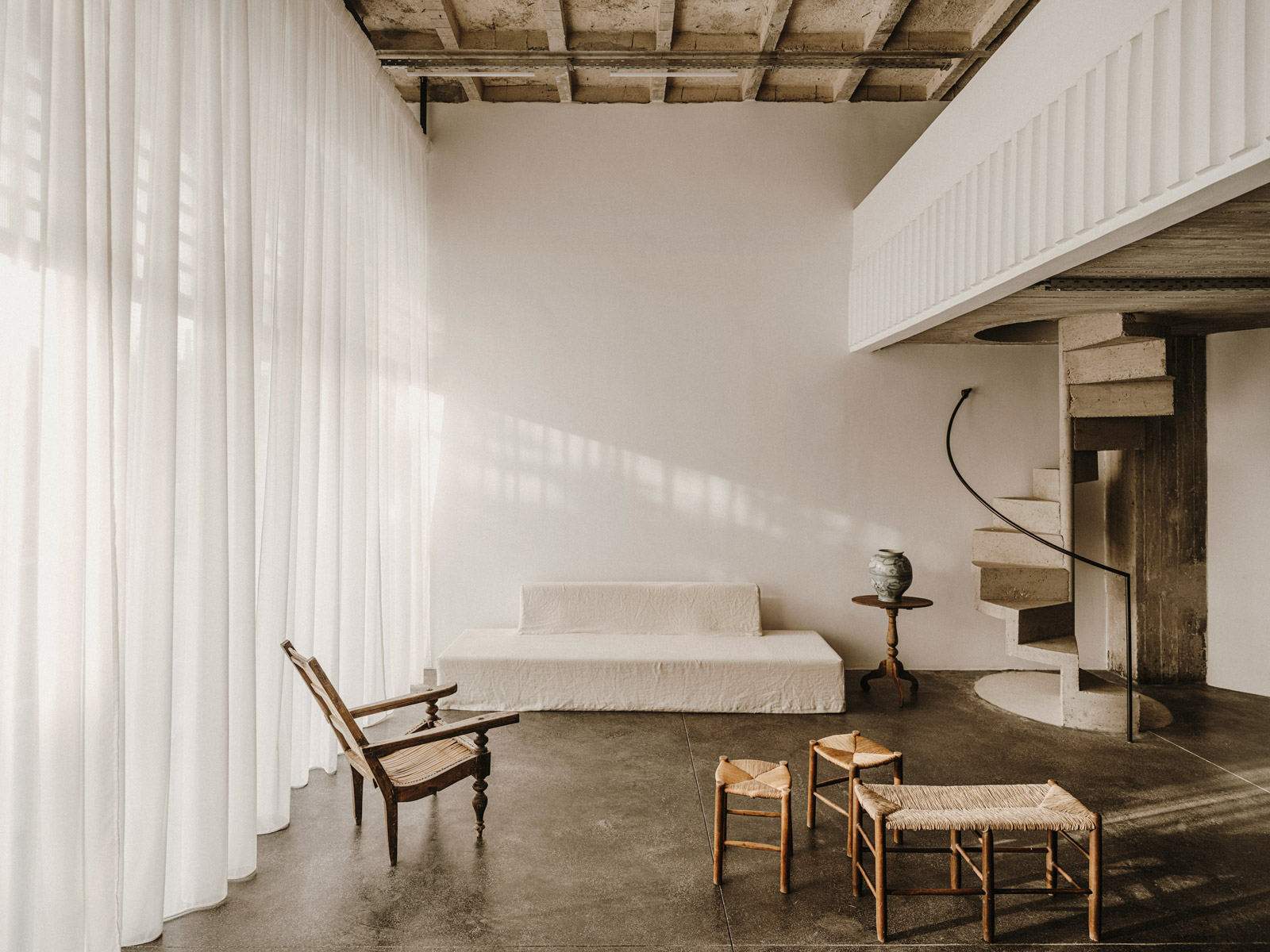
The ALENIA Jewellery project in Naousa, Paros, for example, demonstrates how a naturally textured wall can support a contemporary commercial interior while allowing jewellery and selected objects to remain the focus. Hospitality environments featuring lime plaster and limewash, such as 10AM Lofts in Athens, also show how mineral surfaces can sit comfortably beside timber, stone, concrete and modern furniture.
BAUWERK Limewash is a mineral-based paint without solvents or VOCs, suitable for interior and exterior surfaces when the substrate is correctly prepared. Its breathable nature makes it especially relevant to projects centred on natural materials and more environmentally considered product choices.
This does not mean every wall in a commercial interior should be treated in exactly the same way. Areas frequently exposed to luggage, chairs, food, grease or water need to be assessed separately. Countertops, splash zones, areas behind cooking equipment and other demanding surfaces may require a different material or an appropriate protective design solution.
A successful commercial project begins with careful planning. The substrate must first be assessed. Limewash can be applied directly to suitable unsealed mineral surfaces. Previously painted walls, plasterboard and certain non-absorbent surfaces may require the appropriate BAUWERK Prep Coat.
Before the final colour is approved, a generous sample should be applied within the actual space. Natural light, artificial lighting, the substrate and the painter’s technique can all influence the finished appearance. On larger projects, it is also useful to approve a reference sample so every applicator follows the same method and creates the intended level of texture.
Lobbies, corridors, restaurants and other high-traffic areas require appropriate preparation and a realistic maintenance plan. Small local repairs should be tested because a fresh application may initially differ from the surrounding surface as it has aged and responded to daily use.
Today’s guests are drawn to places with character, a sense of history and a meaningful connection to their location. Limewash can introduce these qualities without making an interior feel contrived. It creates a calm, tactile background, complements natural materials and changes expression as the light moves through the space.
Whether it is used in a small boutique hotel, resort, restaurant or concept store, limewash can make the walls part of the brand identity. With the right colour, substrate preparation and application technique, it delivers an interior that feels contemporary but not temporary, natural yet refined and, most importantly, individual to the property.