

Limewash Fireplace Ideas, Colours and Essential Tips
Limewash can transform a conventional fireplace into a naturally textured architectural feature. Explore suitable colours, design ideas, and the essential preparation steps before application.
A fireplace is often the natural focal point of a living room. Even when it is not being used, its scale, position and materials influence the appearance of the entire space. Applying limewash to a fireplace can refresh this important architectural feature without completely concealing the original character of brick, stone, render or plaster.
Unlike a flat conventional paint, limewash creates subtle tonal variations and a softly matt, mineral finish. The visible movement of the brush and the way the surface responds to changing daylight introduce depth and gentle imperfection. The result can make a fireplace feel integrated into the architecture rather than appearing as an isolated decorative element.
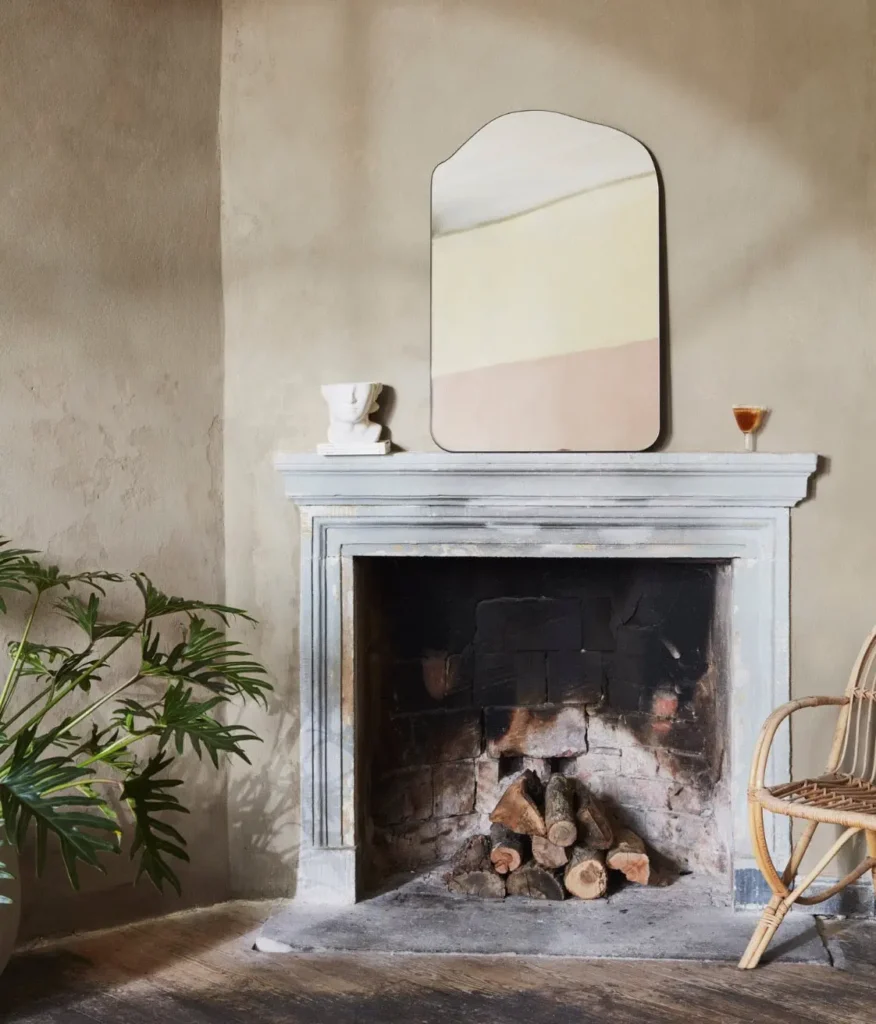
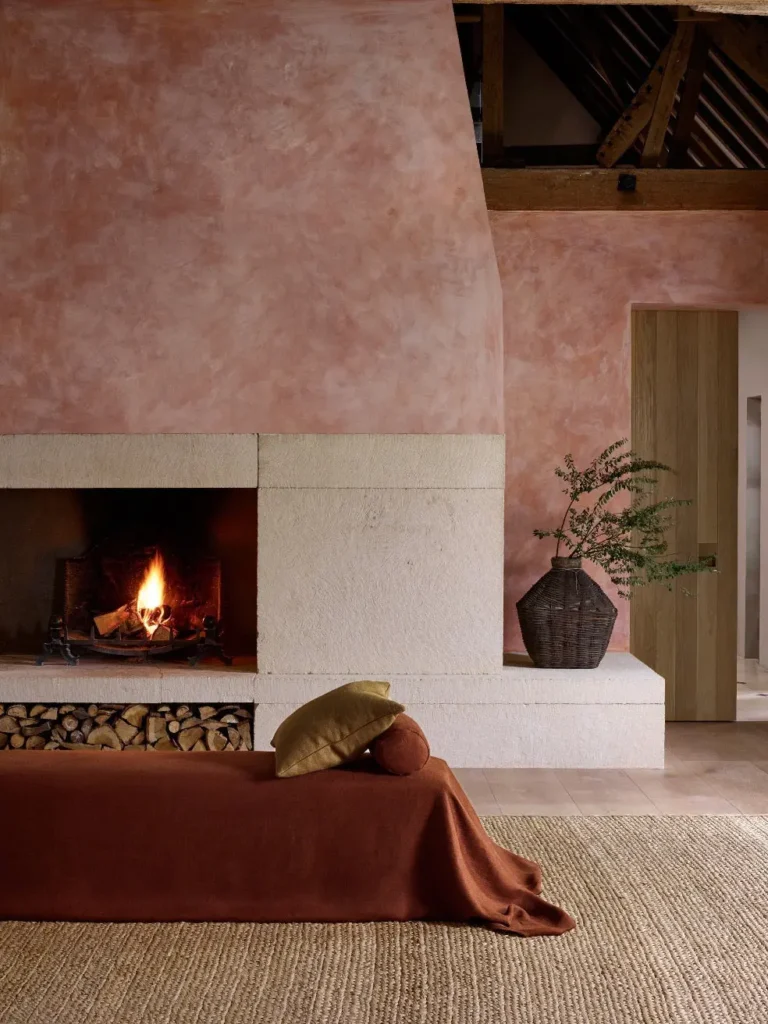
Limewash can be used on many suitable surfaces surrounding a fireplace, including unsealed brick, stone, render, concrete and mineral plaster. BAUWERK Colour states that its mineral limewash is non-flammable and suitable for use in areas around fireplaces and chimneys.
However, it is important to distinguish between the external fireplace surround and the interior firebox. Areas exposed directly to flames, burning fuel, or extreme temperatures may require products and construction materials specifically tested and certified for that purpose. Always consult the paint manufacturer’s current technical information and, where necessary, speak to a qualified fireplace installer before beginning the project.
The fireplace must also be functioning correctly. Cracks, dampness, salt deposits, smoke leakage, and chimney problems should be professionally assessed before the surface is decorated. Limewash should never be used to conceal an underlying structural or ventilation issue.

Warm off-whites, bone, chalk, and soft sandy shades can brighten a heavy or dark fireplace without creating a cold, flat white finish. They work particularly well in Mediterranean, minimalist, and contemporary rustic interiors.
Earthy beige, greige and light brown shades visually connect the fireplace with wooden furniture, linen textiles, ceramics and natural stone. For a more expressive result, choose terracotta, clay, or soft brick red, which enhance its warmth even when the fire is not lit.
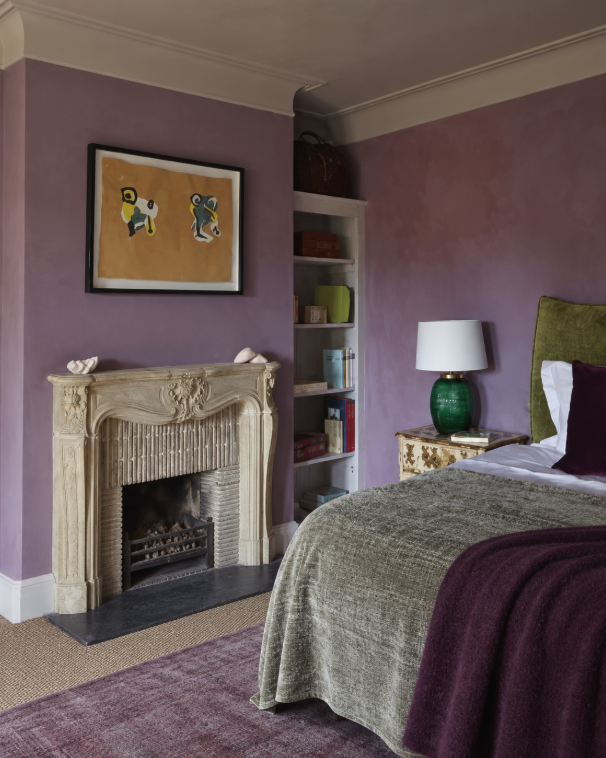
For a more contemporary, unconventional look, consider dusty pink, soft blush, mauve, lilac or deeper purple shades. Muted pink and mauve tones create a distinctive focal point without overwhelming the room, especially when combined with natural wood, neutral walls and minimal furniture. A stronger purple or berry-toned limewash can transform the fireplace into a bold architectural feature and give the interior a more artistic character.
Olive, sage and muted green shades create a calm, natural atmosphere, while charcoal, deep grey or almost-black limewash offers a more dramatic effect. When choosing very dark or vibrant colours, consider the room’s size and the amount of natural light available. For this reason, testing a sample directly on the fireplace is essential.
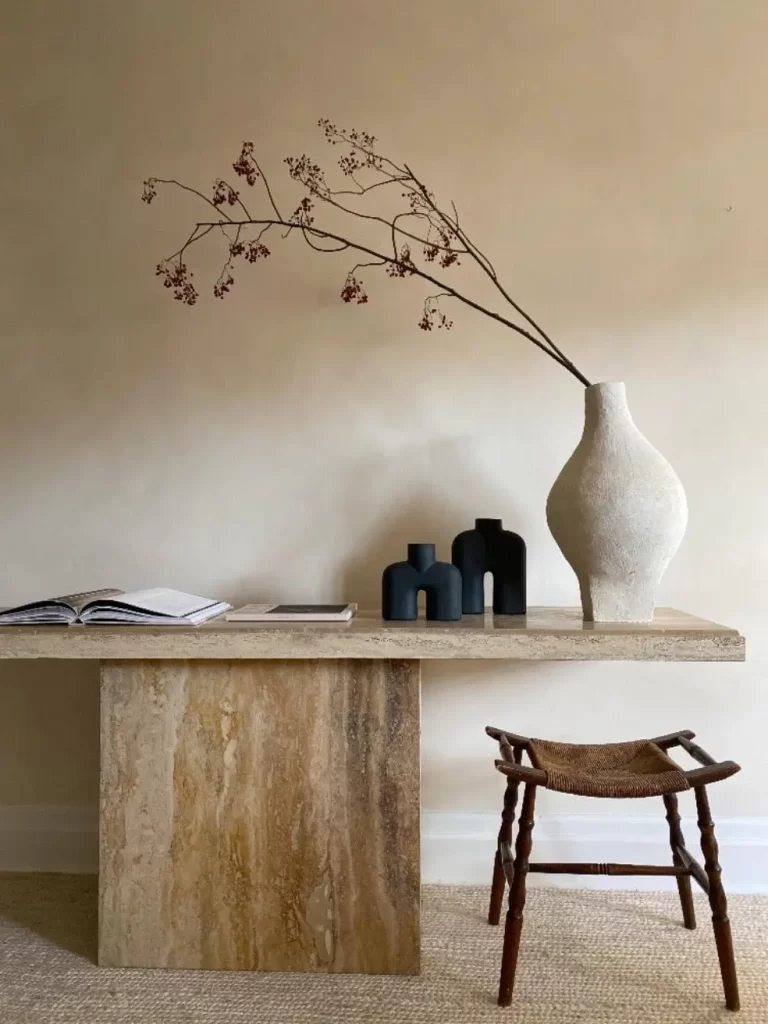


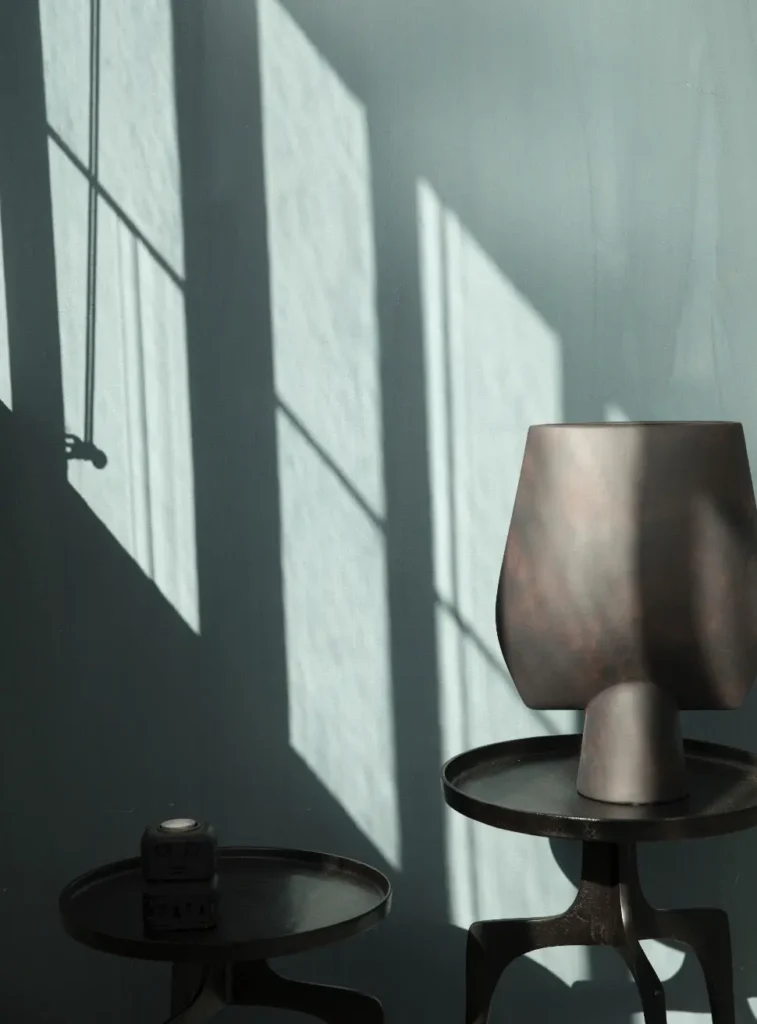
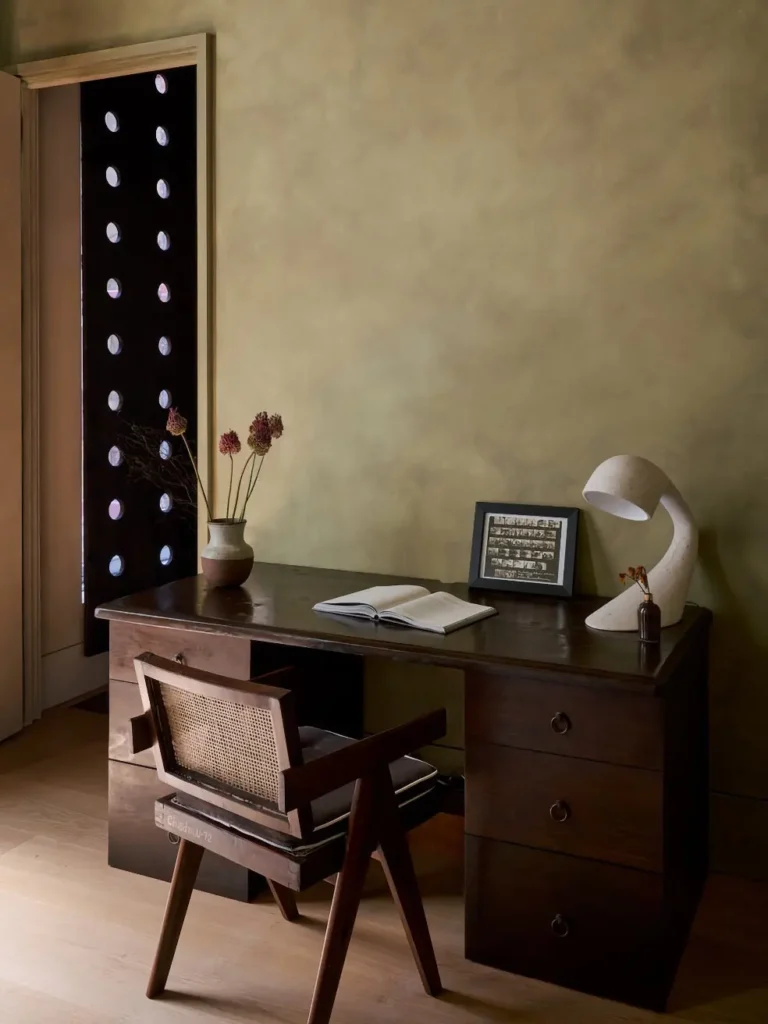
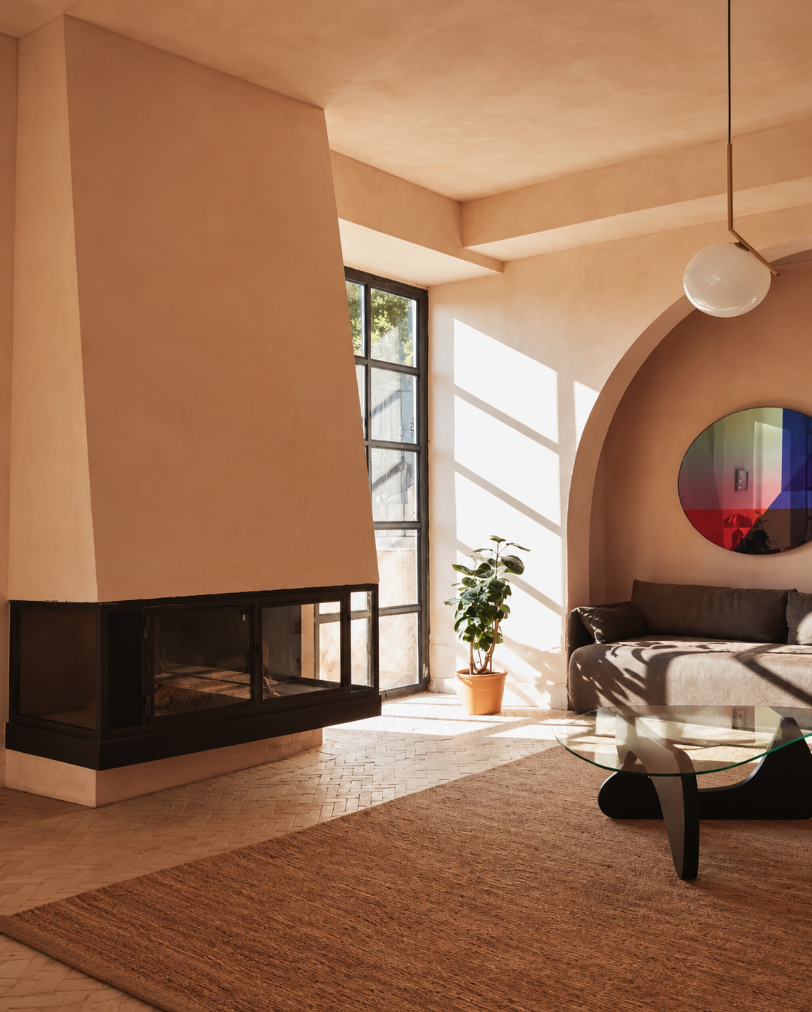
In a minimalist living room, use the same limewash colour on the fireplace and the surrounding wall. This creates a calm, continuous composition, while the natural movement of the finish prevents the surface from feeling flat.
For a Mediterranean interior, choose a warm off-white, sandy beige, pale ochre or subtle terracotta. Combine it with natural timber, linen, woven fibres and handcrafted ceramics. The fireplace will feel connected to the landscape without relying on obvious coastal accessories.
In a contemporary home, a charcoal, warm grey or muted olive fireplace can become a refined architectural statement. Keeping the styling around it restrained will allow the depth of the limewash finish to provide the visual interest.
If the existing brick or stone has an attractive texture, complete concealment may not be necessary. A lighter, more translucent-looking finish can soften strong colour differences while allowing some of the original material’s variation to remain visible.
A successful limewash fireplace should form part of the room’s wider colour palette. Consider the undertones of the floor, walls, timber, furniture and textiles before making the final decision. With a compatible substrate, correct preparation and a carefully tested colour, limewash can give a fireplace a natural, contemporary and enduring character.