
Can You Apply Limewash on Drywall? A Complete Guide
Can you apply limewash on drywall? Learn how to prepare and prime plasterboard correctly for an even, durable and beautifully textured finish.
Limewash is valued for its natural mineral texture and matt finish. Traditionally, it is applied to porous mineral surfaces such as lime plaster, render or masonry. This often raises an important question in modern interiors: can you apply limewash on drywall? The answer is yes. Drywall, also known as plasterboard, can be finished with limewash when the correct preparation system is used.
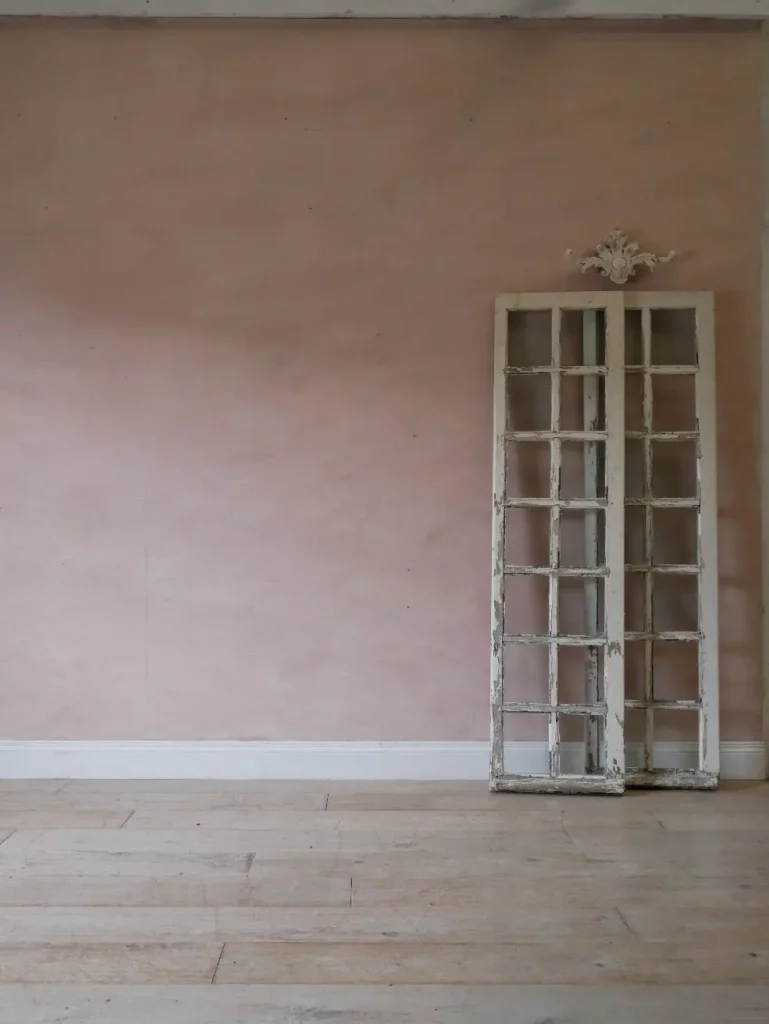
An unfinished drywall surface does not absorb paint evenly. The plasterboard paper, joint compound, screw heads and sanded areas all have different levels of porosity. Applying limewash directly over them can reveal joints and patched areas, creating stains, uneven colour or unpredictable absorption.
The first product required is a good-quality water-based drywall undercoat-sealer/primer. It equalises absorbency and prevents joint compound and repairs from showing through the finish, an effect known as “ghosting”. One coat of Bauwerk Prep Coat is then applied to create a uniform matt white background with the correct absorbency for limewash. Prep Coat is not a primer or sealer: the two products perform different functions.
The plasterboard must be sound, dry and free from dust or loose material. Fill all joints and screw heads, allow the compound to dry, and sand the wall evenly. Repair visible imperfections before painting, as limewash may emphasise poor preparation. Remove all sanding dust thoroughly.
On new, repaired or patched plasterboard, Bauwerk Colour recommends two undiluted coats of water-based undercoat-sealer/primer across the wall. A diluted mist coat is not sufficient, and solvent-based primers should be avoided. Allow the primer to dry and cure fully, then apply one coat of Bauwerk Prep Coat.
If previously painted drywall is sound, correctly primed and free from repairs, a new primer may not be necessary, but Bauwerk Prep Coat is still applied before limewash. Unstable coatings require further preparation.

Once the Prep Coat is dry, stir the limewash thoroughly so the mineral pigments are evenly distributed. Apply it with a suitable natural-fibre limewash brush, using loose strokes in different directions to create natural tonal movement.
Work continuously from one corner to the other and maintain a wet edge. Stopping can leave visible joins or darker lap marks. Apply two coats of Bauwerk Limewash, allowing approximately 1–2 hours between coats. The colour appears darker and transparent while wet, then lightens and becomes opaque as it dries.
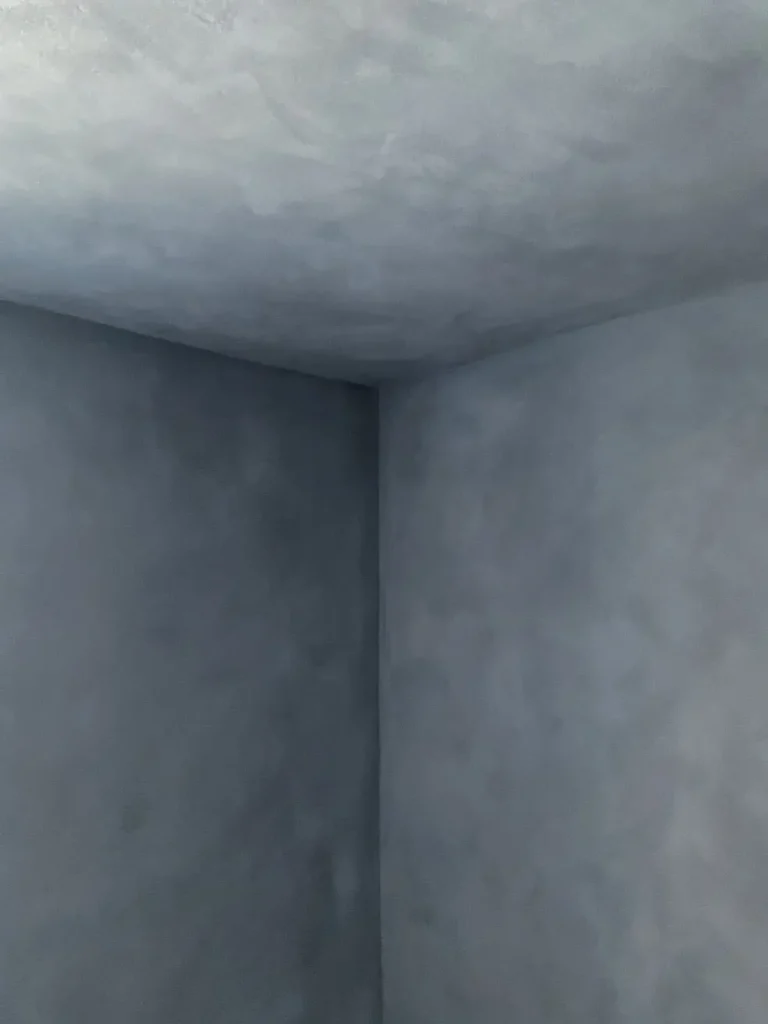
Common mistakes include skipping either the primer or Prep Coat, using a diluted mist coat, spot-priming only the joints, leaving sanding dust behind, and interrupting application halfway across the wall. Failing to stir regularly or brushing areas that have begun to dry can also produce unwanted marks.
A sample board allows you to check the shade and brush movement in the room’s actual light before painting the full wall.
Limewash works particularly well in living rooms, bedrooms, offices and hospitality interiors, where its texture adds warmth and architectural character. Walls exposed to splashes, grease or repeated rubbing may need an appropriate protective finish.
With the correct primer and Bauwerk Prep Coat, plasterboard can achieve the depth and timeless appearance of genuine limewash. Explore the Bauwerk Colour limewash shades, choose the right brushes and supplies and follow the complete guide to applying limewash on interior walls. For project advice, contact Limewash Paints Greece.