Is Limewash Paint Really Eco-Friendly?
Is limewash really an eco-friendly paint? Explore its ingredients, VOC levels, breathability, carbon footprint, and overall sustainability.
Limewash is closely associated with natural materials, traditional craftsmanship, and breathable interiors. As more homeowners, architects, and designers look for an eco-friendly paint, an important question arises: is limewash genuinely sustainable, or is it simply another interior trend with a natural-looking finish?
The short answer is that a well-formulated limewash can be one of the more environmentally responsible decorative finishes available. That does not mean, however, that every product marketed as “limewash” has the same ingredients or environmental impact.
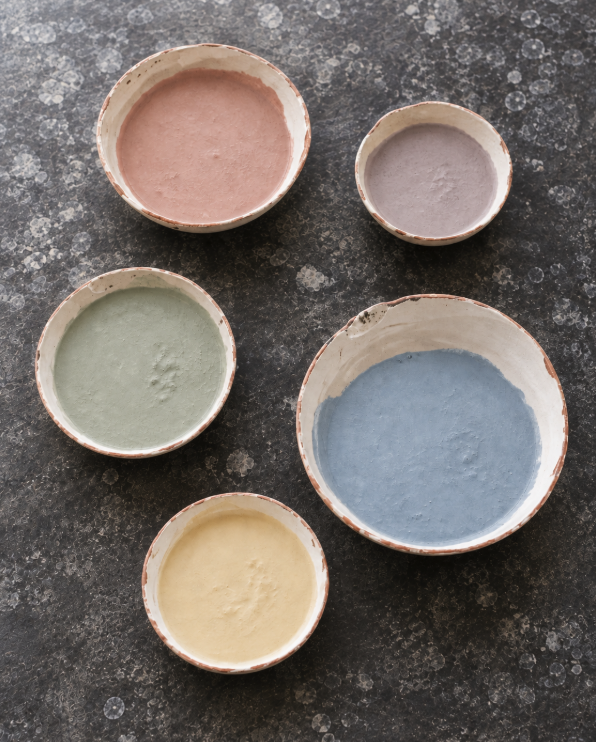
Traditional limewash is made primarily from slaked lime, water, and natural or mineral pigments. Unlike many conventional paints, it doesn’t rely on synthetic resins to form a sealed film over the wall.
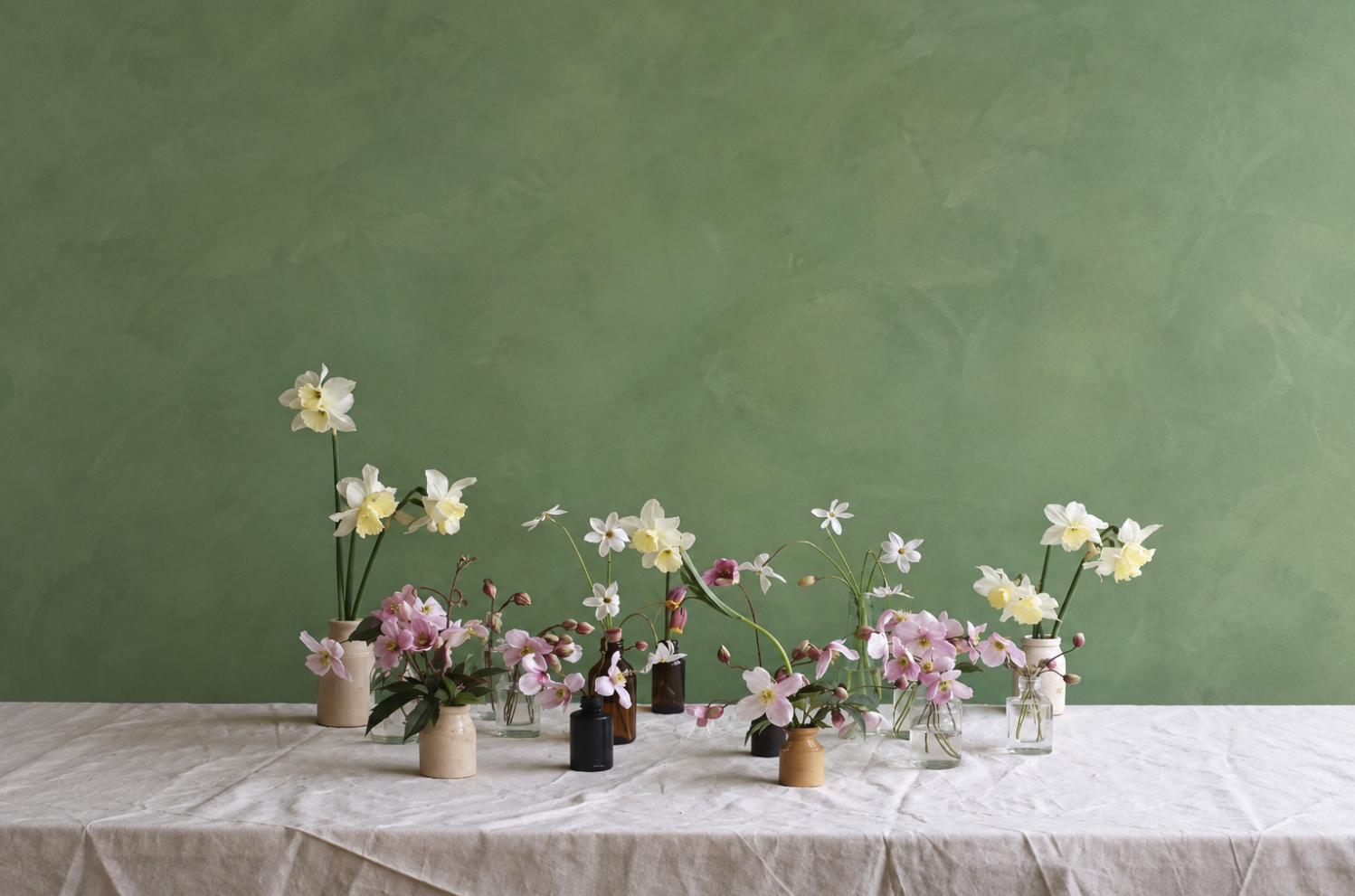
On a suitable porous surface, limewash penetrates the substrate and becomes part of it. This creates the subtle tonal movement, depth and naturally clouded texture that make limewash walls so distinctive.
Modern formulations can vary considerably. Some may contain additional binders, preservatives or other additives. The word “natural” on the packaging isn’t, therefore, enough to establish whether a product is genuinely sustainable.
1. A simple mineral composition
The traditional formula is based on lime and water, with colour generally provided by mineral pigments. A short and clearly disclosed ingredient list makes it easier to understand what is being introduced into an interior environment.
2. Low or zero VOC emissions
Volatile organic compounds, or VOCs, can be released into the air while paint is being applied and drying. European legislation limits the VOC content of decorative paints, but the actual level differs between products. Consumers should therefore check the technical data sheet and the stated VOC content rather than relying on a broad environmental claim. For example, BAUWERK Colour states that its limewash paint contains no VOCs, solvents, biocides or preservatives. These are product-specific characteristics and should not automatically be assumed for every limewash on the market.
3. Breathable walls
Limewash is vapour-permeable, meaning that it does not seal a suitable wall beneath a dense plastic coating. This allows moisture vapour to move through the surface more naturally. Breathability cannot repair a leak or solve a serious damp problem. Nevertheless, it can be highly valuable in historic properties, natural plaster systems and other porous substrates where moisture needs to evaporate rather than become trapped.
4. Carbonation and carbon dioxide absorption
As limewash cures, calcium hydroxide reacts with carbon dioxide in the atmosphere and gradually turns back into calcium carbonate. This natural process is known as carbonation. It means that lime-based materials absorb some atmospheric CO₂ as they harden. This is a genuine environmental benefit, but it should be described accurately. Carbonation does not automatically cancel every emission associated with quarrying, kiln heating, production, packaging, and transport. Research into lime-based construction materials confirms that carbonation reabsorbs a portion of carbon dioxide over time.
The environmental performance of any sustainable paint should be considered across its complete life cycle. Producing lime requires high-temperature processing, which uses energy and releases carbon dioxide. The origin of the raw materials, the energy used by the manufacturer, packaging, and transport distances all contribute to the final footprint. Durability is another important factor. Limewash performs particularly well on compatible porous surfaces such as mineral render, brick and masonry because it can be absorbed into the wall.
A sealed or previously painted surface may require a specialised primer and more careful preparation. If a finish is applied to the wrong surface and fails prematurely, the need for additional products, labour and repainting reduces its overall sustainability. Choosing the correct system and following the recommended application method are therefore part of making an environmentally responsible decision.
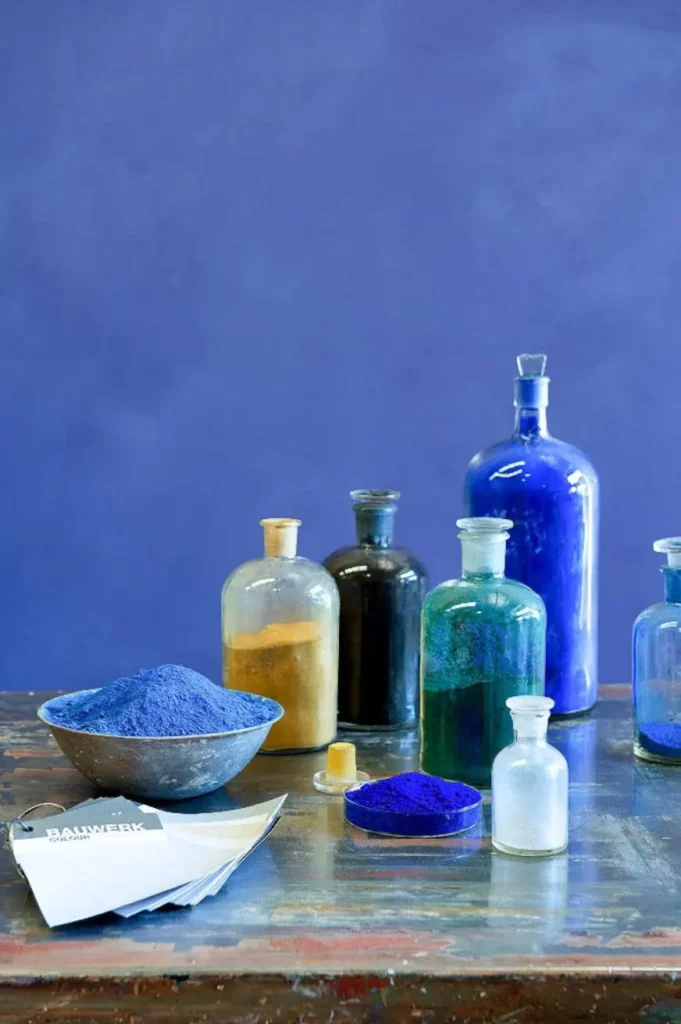
Before buying any eco friendly paint, look for:
- a complete ingredient list and technical data sheet,
- a clearly stated VOC content,
- information about solvents, biocides and preservatives,
- compatibility with your wall and the required primer,
- realistic coverage and durability information,
- details about manufacturing, packaging and transport
- transparent environmental statements from the manufacturer.
It is also worth considering how much product will be needed, whether the surface can be repaired locally and how frequently the finish may require refreshing. Sustainability is not only about what is inside the tin; it is also about how effectively and how long the product performs.
Limewash can genuinely be an excellent option for anyone looking for a more natural and sustainable paint. Its mineral composition, vapour permeability, potentially very low emissions and carbonation process give it clear advantages over many conventional finishes.
Its environmental value, however, should not be judged by the “limewash” label alone. The exact formulation, manufacturing process, surface preparation and lifespan of the finished wall all matter.
The most responsible choice is a transparent, well-formulated mineral paint used on a compatible surface and applied correctly. When these conditions are met, limewash offers much more than a fashionable textured appearance: it provides a durable finish that can support a healthier and more considered approach to interior design.