
Limewash and Mediterranean Interior Design
Limewash brings natural movement and mineral depth to Mediterranean interiors, from Greek island homes to contemporary city apartments.
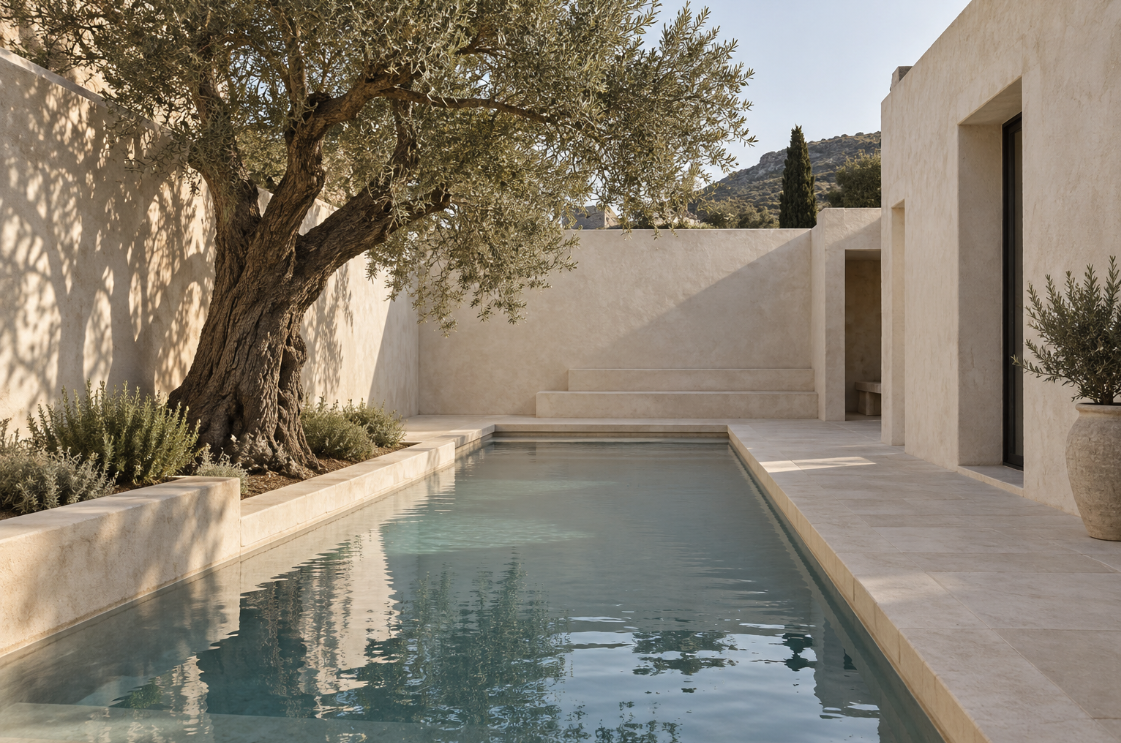
Mediterranean interior design is more than a passing interiors trend. It is a design philosophy shaped by sunlight, warm climates, coastal landscapes and centuries of regional architecture. In Greek homes, it is expressed through open, light-filled rooms, natural materials, relaxed surfaces and colours that appear to have been drawn directly from the surrounding landscape.
Within this setting, limewash feels particularly authentic. Its mineral depth, tactile appearance and subtle tonal movement respond beautifully to changing daylight, producing interiors that feel warm, calm and timeless.
Whether used in a traditional island property, a countryside retreat or a contemporary apartment, limewash can create a Mediterranean home without relying on predictable decorative themes.
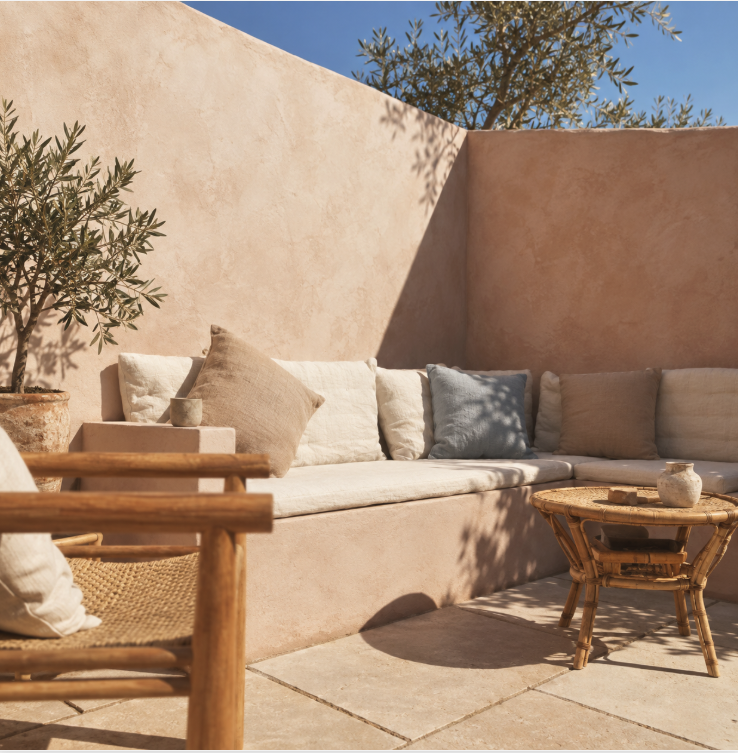
Contemporary Mediterranean interiors extend far beyond white walls and blue decorative details. Today’s interpretation is warmer, earthier, and more focused on the character of natural materials.
Typical elements include limewashed walls, pale or unfinished timber, natural stone, linen fabrics, handmade ceramics and objects that retain the small imperfections of traditional craftsmanship. The colour palette is inspired by limestone, sand, sunbaked clay, olive groves, dried grasses and the muted shades of the sea.
The result should feel collected rather than overly styled. A modern Mediterranean room is comfortable and refined, but it is never too polished. It allows materials, light and texture to form the visual identity of the space.
This approach can work in many different architectural settings. A home does not need stone arches, exposed beams or a sea view to embrace Mediterranean interior design. The atmosphere can be introduced through thoughtful colours, natural finishes and a restrained selection of materials.
The appeal of limewash lies in its visual movement. Unlike a completely flat, uniform wall paint, limewash creates gentle variations, cloudy transitions, and a soft sense of depth.
Mediterranean light makes these qualities even more noticeable. A limewashed wall may appear pale and fresh in the morning, then warmer and more atmospheric as the sun changes throughout the day. The wall becomes an active part of the room rather than simply a neutral background.
Limewash also has a natural connection with traditional Mediterranean architecture. Its character does not depend on an artificially distressed effect. The tonal variation develops organically through the material, the brushwork, and the way the finish interacts with the surface beneath it.
This makes it especially effective in a limewash Mediterranean home where the aim is to create authenticity without reproducing a themed or overly rustic interior.
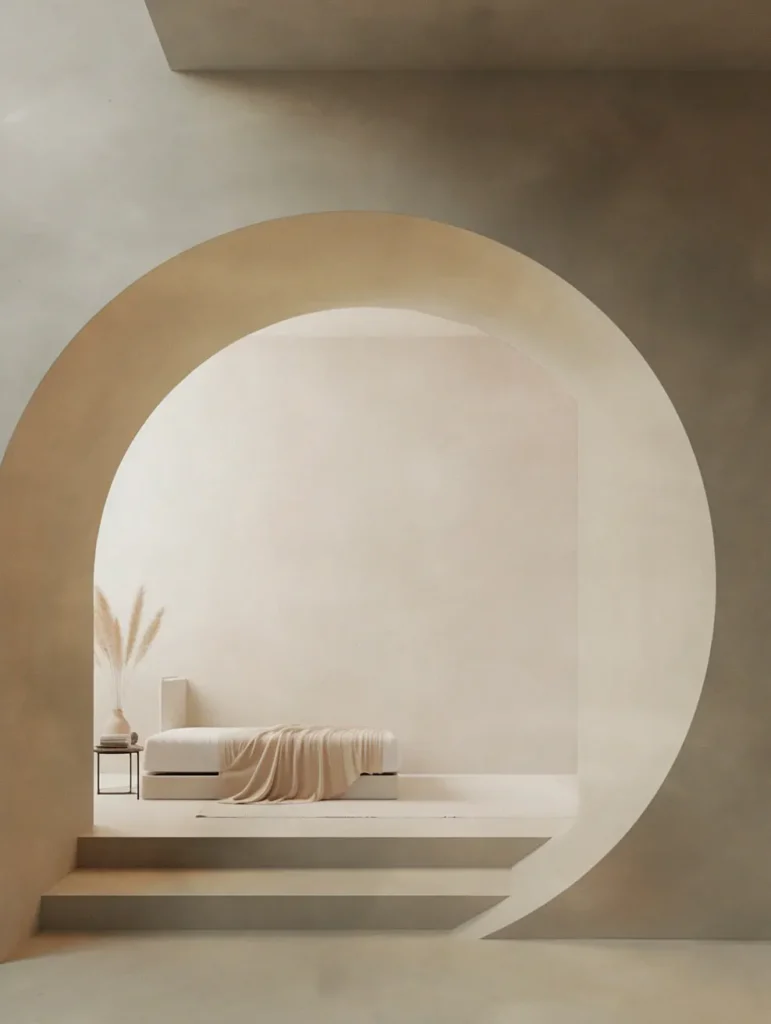
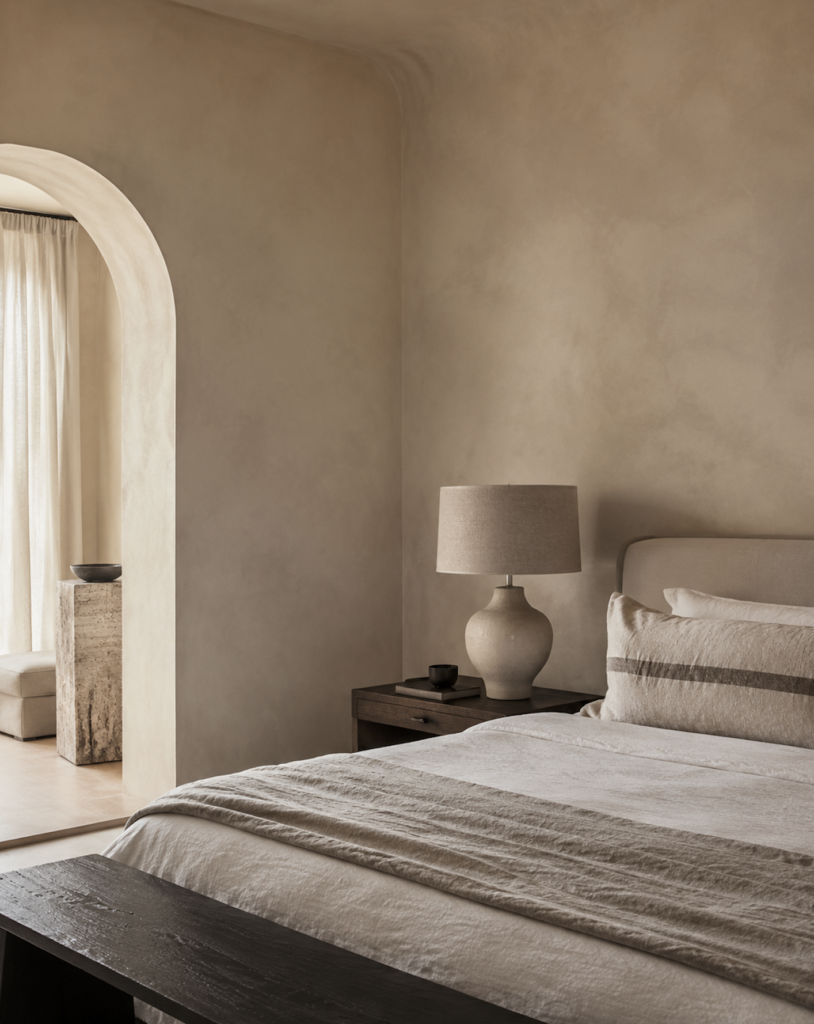
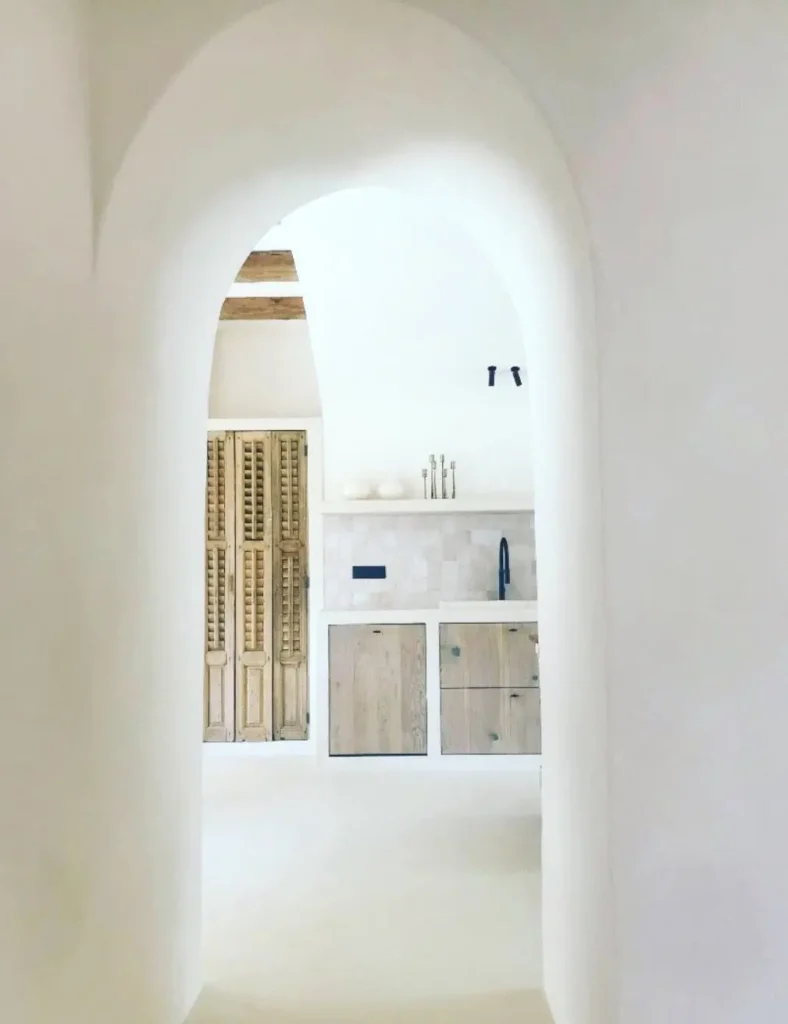
White remains an important part of Greek architecture, but a Mediterranean palette can be much broader. Warm off-whites, chalky neutrals, limestone, sand, and pale clay offer a softer alternative to brilliant white while retaining brightness.
Muted terracotta and dusty blush bring warmth into living rooms and dining spaces. Olive and sage greens echo Mediterranean vegetation and pair particularly well with timber, stone, and natural fabrics. Faded blues and blue-greys can suggest the sea without making the interior feel overtly nautical.
For a more dramatic approach, ochre, earthy green or deep clay can be used on a feature wall or throughout an intimate room. The natural movement of limewash prevents these richer shades from feeling flat or visually heavy.
The most successful colour combinations usually include subtle contrast. A warm limewashed wall might be paired with pale stone and dark timber, while an olive wall can be balanced with cream linen, aged brass and handmade ceramics.
In a living room, limewash provides a quiet backdrop for linen upholstery, woven details, timber furniture and sculptural ceramics. Its texture introduces visual interest without requiring additional wall decoration.
In the dining room, it works beautifully with handmade pendant lights, natural stone tables and simple wooden chairs. In a bedroom, soft mineral neutrals can create a calm, enveloping atmosphere that feels cooler and more restful in strong summer light.
Limewash can also help connect interior and exterior spaces. Repeating related colours across indoor rooms, shaded terraces and courtyards creates the sense of continuity that defines Mediterranean living.
This connection is particularly effective in Greek homes, where doors and windows often remain open for much of the year, and the boundaries between inside and outside naturally become less distinct.
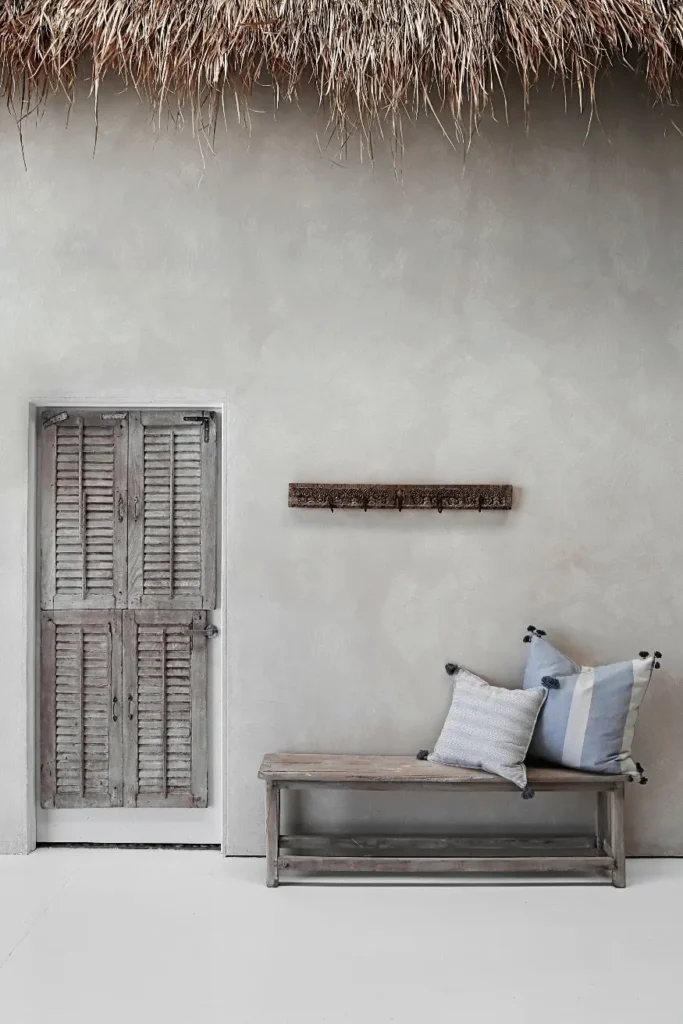
A high-quality mineral limewash is vapour-permeable, allowing moisture to move through compatible surfaces. BAUWERK Colour states that its limewash paints are mineral-based, breathable and made without VOCs, solvents, biocides or preservatives. However, these qualities should not be assumed for every limewash product. Surface compatibility and the recommended primer system should always be checked before application.
Correct preparation is essential. Limewash bonds best with absorbent mineral surfaces, while sealed or conventionally painted walls may require a suitable primer. Authentic Mediterranean interior design is shaped by natural materials, texture, daylight, and simplicity, not an excess of coastal accessories. Limewash reflects this philosophy beautifully: it softens strong sunlight, highlights architectural forms, and brings subtle imperfection to contemporary Greek homes, creating spaces that feel genuinely connected to their climate and landscape.