
Limewash vs. Emulsion Paint
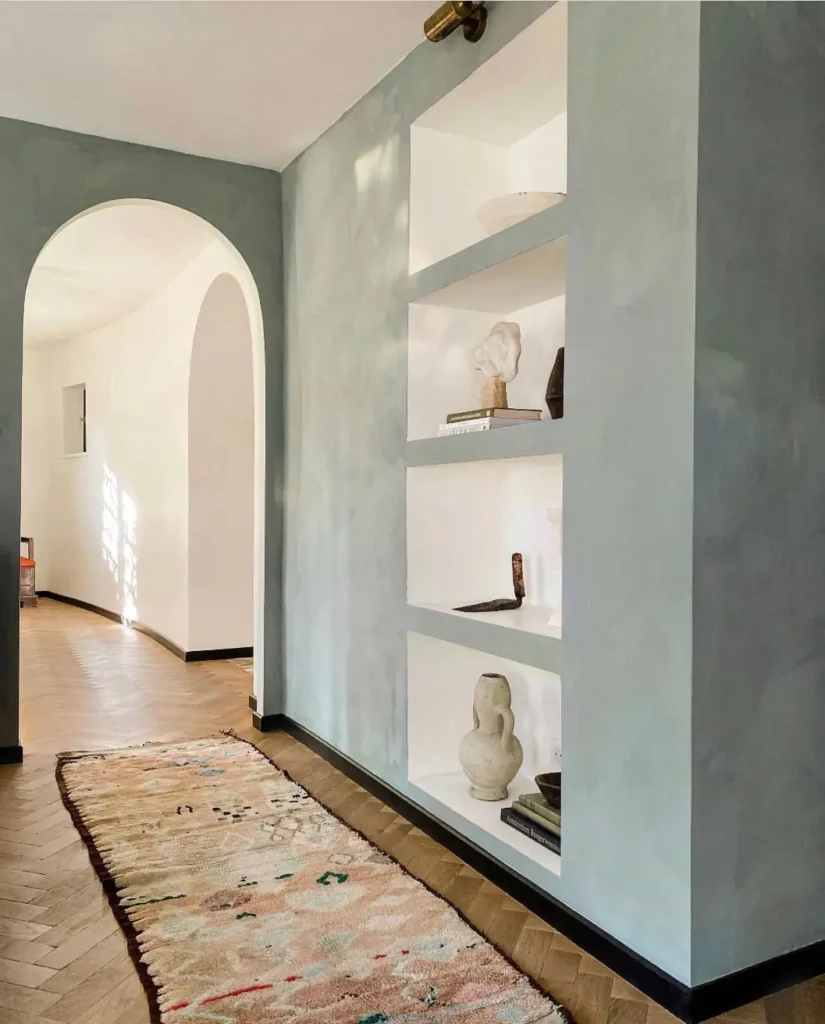
The most obvious difference lies in the visual outcome. Limewash is an artistic wall finish that completely transforms a space. It delivers a velvety, matte look with unique movement, gradients, and depth. It is the perfect choice for bringing authentic Cycladic aesthetics or an earthy, Mediterranean style to your living room, bedroom, dining room, entry hallway, or even an eco-friendly powder room. Its organic texture elevates every corner, adding a sense of serenity and luxury to your entire home.
Conversely, emulsion or acrylic paint delivers a perfectly uniform, smooth, and flat finish. Designed to completely cover imperfections using a roller, it features no shadows, color variations, movement, or visible brushstrokes. The result is a strictly minimalist, solid block color with an absolutely consistent tone across the entire surface. This uniformity makes it the safest option for those who prefer a neutral result with zero fluctuations under light.

Authentic limewash paint is a 100% natural, eco-friendly coating based on slaked lime and mineral pigments. Instead of creating an artificial, sealed film on the surface, it penetrates deeply into the plaster pores and bonds with the wall. This allows the surface to breathe freely, letting moisture vapor escape without becoming trapped. Since lime is naturally antibacterial, antifungal and has an extremely high (alkaline) pH, it stands as the ultimate paint for combating humidity and mold. It naturally prevents microorganism growth, drastically improving indoor air quality.
Conversely, classic emulsion paint consists of synthetic chemicals and acrylic resins. As it dries on the wall, it creates an elastic, plastic membrane that hermetically seals the surface. While this membrane protects the wall from external pollutants, it traps internal moisture and the building’s water vapor. In older homes, on ground floors, walls adjacent to bathrooms, or in spaces lacking good natural ventilation, this trapped moisture builds up. As a result, the paint peels, blisters, and eventually leads to unsightly black mold.
In terms of maintenance, the roles reverse. High-quality emulsion paints are highly washable and easy to clean. They withstand heavy scrubbing with a sponge, making them ideal for high-traffic areas like kids’ bedrooms, kitchens, or busy hallways.
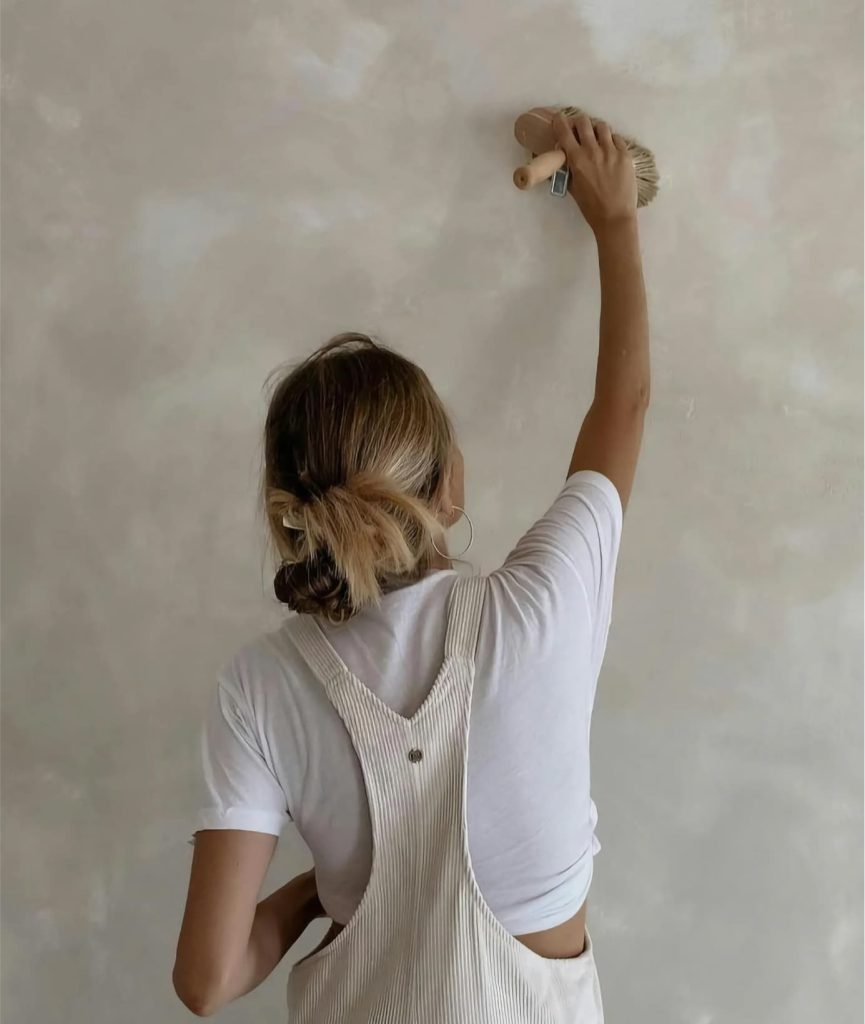
Limewash has a more delicate, matte surface. It does not handle aggressive scrubbing with chemical cleaners well, as this can ruin the limewash effect. However, it excels in effortless spot repairs (patch-repair). If a wall gets scratched, you simply brush a little paint over the local area, and the mark disappears. Conversely, emulsion paint would require repainting the entire wall from corner to corner.