

Limewash Colour Drenching: Walls and Ceilings in Harmony
Colour does not have to stop where the ceiling begins. Limewash colour drenching connects walls and ceilings through a shared palette, bringing natural texture and

Colour drenching is a decorating approach in which one shade dominates a substantial part of a room. It commonly includes the walls and ceiling and may extend to doors, skirting boards and other details, using products appropriate to each material. Here, the focus is on limewash walls and ceilings.
Painting these surfaces in the same shade softens the colour boundary where they meet. Attention can then move towards the room’s proportions, openings and architectural details. The overall effect depends on the chosen shade, ceiling height and available light. A colour-drenched room therefore benefits from careful consideration of its own setting rather than a fixed decorating formula.
An interior built around one colour gains depth and character through subtle variations across its surfaces. Limewash creates a matte finish with gentle tonal movement, shaped by the underlying surface, the application technique and the way light falls across it. Soft transitions between lighter and darker areas add visual interest while preserving the room’s colour harmony. This natural wall texture gives monochromatic interiors a layered quality, allowing even a restrained palette to feel expressive and full of life.
When limewash extends across both walls and ceilings, the shared shade creates continuity throughout the room. Yet each surface can reveal a slightly different expression of the colour. Daylight from a window may illuminate one wall directly while leaving the ceiling in softer light, bringing different undertones and brushwork into view. As the light changes throughout the day, these delicate variations give the interior a sense of movement while maintaining its cohesive atmosphere.
Consider this relationship between colour and light from the earliest stages of planning. Observe samples at different times of day and under your evening lighting, alongside flooring, furniture and fabrics. This will help you understand how the shade works within the complete setting. Our guide to limewash paint and light explores these effects in more detail, helping you assess your chosen colour in the space where it will be used.


Pale neutrals provide a gentle introduction to limewash colour drenching. They can form a quiet background for timber furniture, linen upholstery and natural flooring. Deeper shades create a stronger colour presence and may appeal when the aim is a living room or bedroom with a more enveloping atmosphere.
Before choosing a limewash ceiling colour, consider the height of the room and the size and position of its windows. A shade seen in a photograph may create a different impression in your home. Compare samples alongside existing materials and observe them under daylight and the artificial lighting you use in the evening. This helps you judge the complete palette rather than one isolated paint colour.
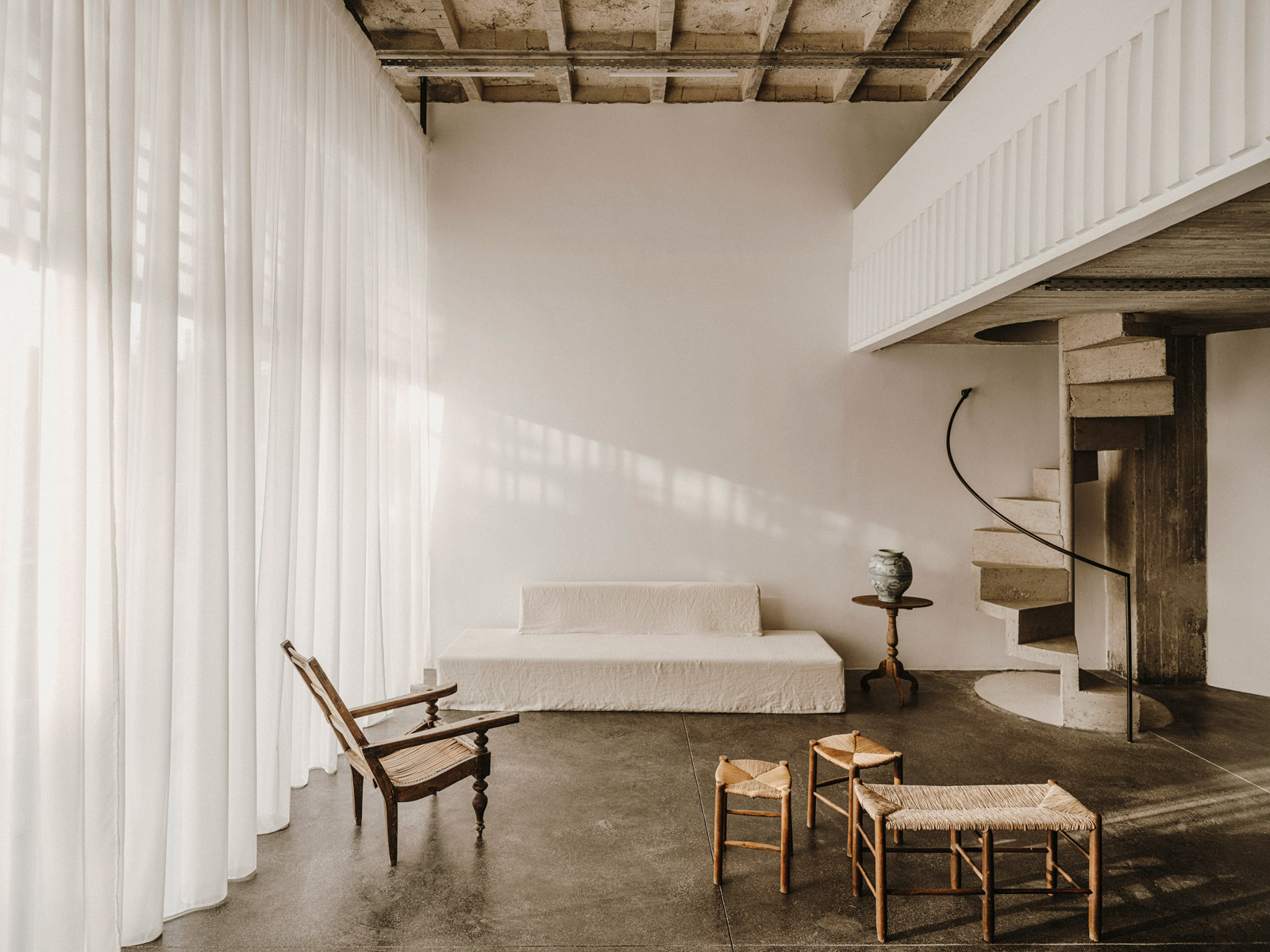
At 10AM Lofts & Penthouse in Athens, the project description notes lime plaster and BAUWERK limewash on the walls and ceilings in Mykonos. The project offers a clear reference for exploring how colour continuity can shape an interior’s identity.
Look at the relationship between the painted surfaces, timber, stone and generous openings. The real inspiration lies in the way these elements work together. For your own room, consider which materials deserve emphasis and how a shared wall and ceiling colour could support them. A reference project is most valuable when it helps clarify the atmosphere and proportions you want to create.
Applying limewash to a ceiling requires preparation suited to the substrate and any existing coating. BAUWERK recommends brush application and advises completing the ceiling before painting the walls. Although the finishing colour may be shared, the preparation requirements must be assessed for each surface.
If your room already has conventional paint, read our guide to applying limewash over previously painted walls. Checking the existing surface is an essential step in deciding the preparation system. Planning this work carefully supports a coherent result and allows the finish to become a considered part of the room.
Once the palette is established, introduce variety through materials. Visible timber grain, woven textiles and ceramic objects can bring definition to monochromatic interiors. Furniture and accessories do not need to match the paint exactly: related tones and a few carefully chosen contrasts can give the composition a personal quality. During November, layered fabrics and thoughtful lighting can complete a welcoming setting that remains relevant throughout the year.
Explore the BAUWERK limewash colour collection to create a shortlist for sampling. When you are ready to plan your project, request a quote for your space.